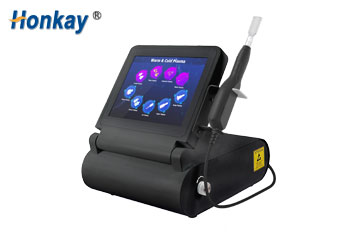
You’ve just invested in the future of your skin. Whether you used a plasma fibroblast device to tighten sagging skin or opted for a specialized plasma pen for eyes treatment to lift tired lids, you are likely staring at those tiny, strategic brown spots—known as carbon crusts—and wondering: “When can I finally get my face wet?”
The urge to wash away the post-treatment sensation is real, but your showering habits in the next few days will dictate whether you achieve a flawless non-surgical lift or end up with unwanted scarring.
The success of plasma pen fibroblasting depends entirely on the integrity of the "scabs" or carbon crusts formed during the procedure. These crusts act as a natural biological dressing for the micro-injuries created by the arc of plasma.
If you jump into a hot, steamy shower too soon, you risk softening these crusts, causing them to peel prematurely. When a scab is forced off before the new epidermis has fully formed underneath, you open the door to pigmentation risk, prolonged redness, and potential infection.
Pro Tip: Think of your skin as a "work in progress." The thermal energy has already jumped-started your fibroblast cells; now, your only job is to stay dry.
When using a plasma fibroblast device, the goal is to stimulate collagen production within the dermal layer. This process requires a controlled environment.
Especially when discussing a plasma pen for eyes, the skin is incredibly thin. Eyelid rejuvenation requires even stricter adherence to "dry healing" than other parts of the body because the skin folds naturally trap moisture.
Imagine waking up in seven days with a smooth, refreshed complexion and a visible skin tightening effect. To get there, you need to master the art of the "modified shower." By following a strict plasma pen healing process day by day, you ensure that the healing stages progress without a hitch.
Proper post-treatment hygiene doesn't mean staying dirty; it means being strategic. By protecting the treated area, you allow the collagen production to work undisturbed, resulting in a more dramatic, long-lasting aesthetic improvement.
So, can I get my face wet after plasma pen? The short answer is: not directly. Follow this showering after plasma pen treatment guide to protect your investment.
During this window, avoid the shower head entirely if possible.
You may begin to introduce lukewarm water, but with extreme caution.
Once the carbon crusts have fallen off naturally, you can resume normal showering. However, your new skin is sensitive skin.
| Feature | Protocol | Why it Matters |
|---|---|---|
| Water Temp | Lukewarm only | Prevents vasodilation and increased swelling. |
| Cleanser | Mild, non-alcohol based | Maintains the moisture barrier without irritation. |
| Hair Washing | Lean backward over a sink | Prevents shampoo from irritating plasma pen scabs. |
| Drying | Air dry or light patting | Prevents premature peeling of the crusts. |
"How to clean face after fibroblast if I can't use the shower?"
Use a cotton pad soaked in a gentle, professional-grade skin cleanser or cooled boiled water. Gently dab the areas not covered by the plasma fibroblast device dots.
"When can I wash my hair after fibroblast?"
It is best to wait 48 hours. When you do, ensure you follow the "lean back" method to keep the forehead and eye area completely dry. This is especially important for washing hair after eyelid fibroblast.
"What if my scabs get wet accidentally?"
Don't panic! Immediately and very gently blot the area dry with a clean, disposable tissue. Do not rub. Ensure the area is exposed to air to dry out as quickly as possible.
Maintaining the integrity of your treatment is just as important as the procedure itself. Following these plasma pen aftercare instructions will ensure your skin tightening healing timeline remains on track.




 English
 中文
中文
 Español
.jpg)