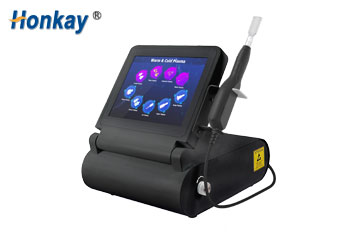
The quest for eternal youth has moved beyond the vanity mirror and into the realm of advanced physics. If you’ve been scouring the internet for a plasma fibroblast machine for sale, you’ve likely encountered a wave of hype surrounding this "miracle" lift. But as the buzz grows, so does the most critical question: Is a cold plasma fibroblast machine safe to use?
When we talk about skin rejuvenation technology 2026, we aren't just talking about creams; we are talking about ionized gas and atmospheric pressure. Let's break down the safety, the science, and the results of this non-invasive skin lifting device.
To understand safety, we must understand the tech. Unlike traditional thermal units that rely on intense heat to cauterize tissue, a fractional plasma pen utilizes a high-frequency current to create a "cold" plasma arc. This process involves the ionization of atmospheric gases (mostly nitrogen and oxygen) to create a focused electrical discharge.
When this energy reaches the skin, it creates a controlled micro-trauma in the epidermis while simultaneously delivering energy to the dermis. This dual-action approach triggers the body’s natural healing response without causing extensive thermal damage to the surrounding tissue.
While older models often caused significant carbonization (those tiny brown dots), the newer fractional plasma pen results are achieved through a more refined energy intensity. This makes it a safer alternative for those worried about prolonged downtime or scarring.
The short answer is: Yes, when used correctly. However, the safety of a plasma pen for skin tightening depends on three pillars: the quality of the device, the skill of the operator, and the integrity of the aftercare routine.
The goal of a plasma arc skin treatment is to stimulate fibroblast cells. These are the "construction workers" of your skin responsible for collagen synthesis and elastin production. By creating a precise, non-contact treatment arc, the device encourages these cells to jumpstart skin elasticity.
It is vital to be aware of the plasma pen for skin tightening side effects. Common reactions include:
By following professional health and safety protocols—such as using a topical numbing cream before the procedure and strictly adhering to an aftercare routine—the risks of hyperpigmentation or infection are significantly minimized.
The surge in demand for these devices isn't accidental. People are looking for a non-surgical eyelid lift or a way to erase crow’s feet and nasolabial folds without going under the knife. Compared to the plasma fibroblast cost vs surgery, the "pen" method is an absolute steal, offering a wrinkle reduction beauty machine experience with a fraction of the risk.
If you are an aesthetic professional looking for beauty salon equipment, or a dedicated enthusiast searching for at-home skin tightening devices that work, keep these factors in mind:
The beauty of the fractional plasma pen is that it doesn't just "tighten" the surface; it improves the overall skin tone and texture improvement. Users often report a significant reduction in fine lines and a visible "lift" that continues to improve for up to 12 weeks as collagen levels peak.
The fibroblast plasma pen recovery time is remarkably short compared to aggressive lasers or surgical alternatives. Most users can return to their social lives within a week, sporting a refreshed, more youthful glow.
Is the cold plasma fibroblast machine safe? When you respect the technology and prioritize professional standards, it is one of the most effective tools in modern aesthetics. It bridges the gap between topical treatments and invasive surgery, providing a path to firmer skin with manageable downtime.
Whether you are browsing plasma fibroblast machine for sale listings to upgrade your clinic or seeking a plasma pen for skin tightening to rejuvenate your own look, remember that quality and education are your best safety nets.
If you're looking for the best equipment to achieve these results safely, I can help you compare specific models or find the right training resources.




 English
 中文
中文
 Español
.jpg)