Scroll through social media, and you’ll likely see close-up images of tiny carbonization dots, crust formation, and dramatic before-and-after results. Many people pause and ask the same question:
“This looks intense… is plasma therapy really safe?”
The truth is, visuals can be misleading without context. The fibroblast plasma pen is often misunderstood because it looks aggressive, even though it’s designed as a non-surgical lift rooted in precision and controlled energy.
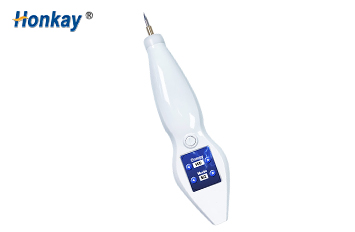
At its core, a plasma pen fibroblast device is a modern beauty device developed as an alternative to traditional surgery, offering skin tightening and rejuvenation without incisions, stitches, or long downtime.
So where does the risk really come from — the technology itself, or how it’s used?
Have you ever avoided a treatment simply because the healing photos looked scary?
.jpg)
To understand safety, we first need to understand how plasma fibroblast pen works.
A plasma pen does not touch the skin. Instead, it releases a controlled electric arc between the precision applicator and the skin’s surface. This arc instantly ionizes the air, creating plasma energy.
That energy causes sublimation — meaning the superficial cells of the epidermis shift from solid to gas without becoming liquid. This process forms tiny carbonization dots, which later turn into scabs.
Importantly, this is localized micro-trauma, not uncontrolled thermal damage.
These microscopic points of impact signal the skin to activate tissue regeneration, boosting:
This is why skin tightening with fibroblast plasma pen is possible without cutting or removing skin.
Would you feel more confident knowing the treatment never actually penetrates the skin?
When performed correctly, a plasma fibroblast pen can visibly improve:
This makes it especially popular for a non-invasive eyelid lift with plasma pen, one of the best areas for plasma pen fibroblast treatments.
Compared to plasma pen vs traditional surgery, plasma therapy offers:
Do you prefer gradual, natural improvement over dramatic surgical change?
One of the most searched concerns is the plasma pen recovery timeline — and for good reason.
Typical healing phases include:
Downtime is real — but manageable.
This is where plasma pen aftercare tips become critical:
Would you commit to aftercare if it meant better long-term results?
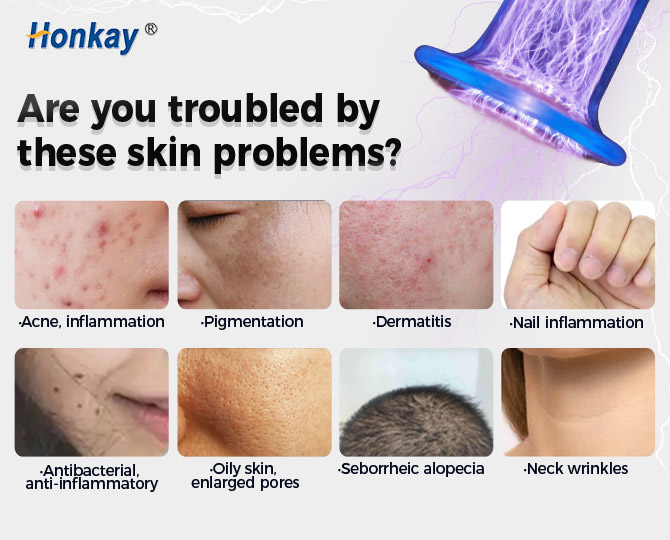
Let’s address the elephant in the room: fibroblast plasma pen side effects.
Possible risks include:
This leads to a common question: is plasma therapy safe for dark skin?
The answer depends on:
When performed by a trained aesthetician using compliant equipment, the safety of plasma pen fibroblast treatments is significantly higher.
Most complications come from:
Would you trust your skin to someone without professional certification?
Patients often ask about the long term results of plasma fibroblast pen treatments.
Results can last 2–3 years depending on:
Compared to surgical options, the cost of fibroblast plasma pen treatment is generally lower, especially when factoring in recovery time and repeatability.
For professionals, investing in professional plasma fibroblast pen training ensures consistent results, client trust, and adherence to aesthetic industry standards.
Would you rather invest once in surgery, or maintain results gradually and safely?
.jpg)
Before choosing a fibroblast plasma pen, ask yourself:
If the answer is “yes” across the board, plasma therapy may be a powerful tool in your skin wellness journey.
Whether you’re considering a professional treatment or exploring a certified home-use beauty device, knowledge is your best protection.
Because when science meets responsibility, beauty doesn’t have to be risky.
We support chassis design, logo design, and finding a partner who wants to develop a beauty instrument business. Contact us for more information.
Email: hk6@huang-kai.com
WhatsApp: +86 13751821218




 English
 中文
中文
 Español