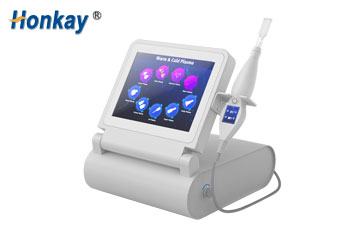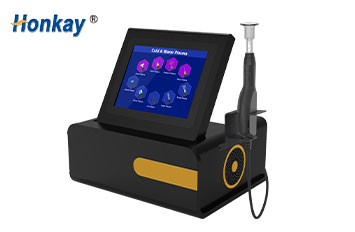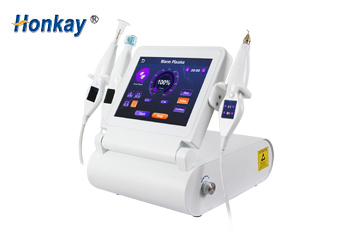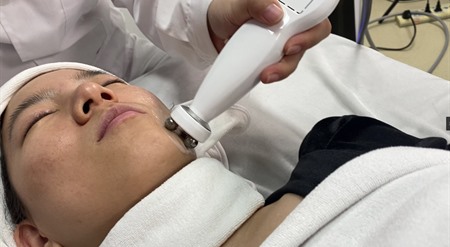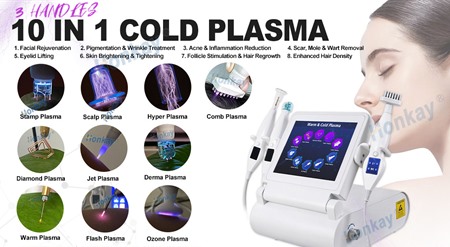
A cold and hot plasma beauty machine gives one platform two working temperatures. Cold plasma handles gentle surface care. Warm plasma takes on firmer, more intensive work.
Buyers choose this platform because a single unit covers several service menus. This guide explains how the two temperatures differ, which probes suit which treatment, and what to confirm before ordering.
It is written for salon owners, clinic managers and distributors who need to position the equipment. It is not written for end clients booking a single session.
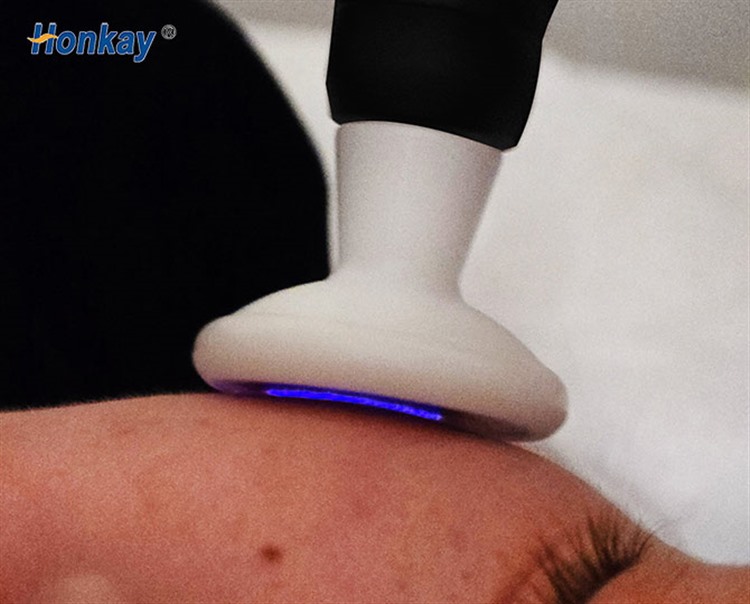
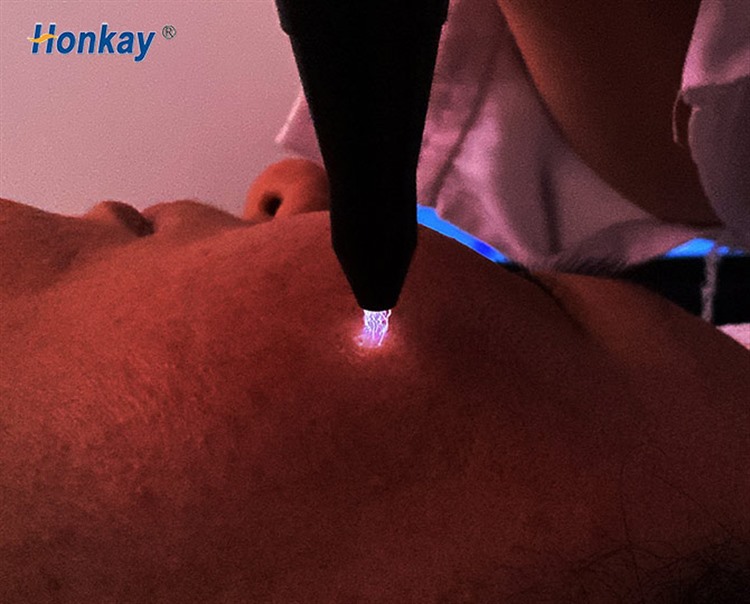
Plasma is an ionised gas carrying charged particles. A handpiece releases that discharge at the tip, and the tip stays just above the skin. The reaction stays on the surface, so the treatment is non-contact.
Because the tip never touches the tissue, staff can be trained on technique rather than on needle handling. That is the main commercial reason this platform spreads quickly.
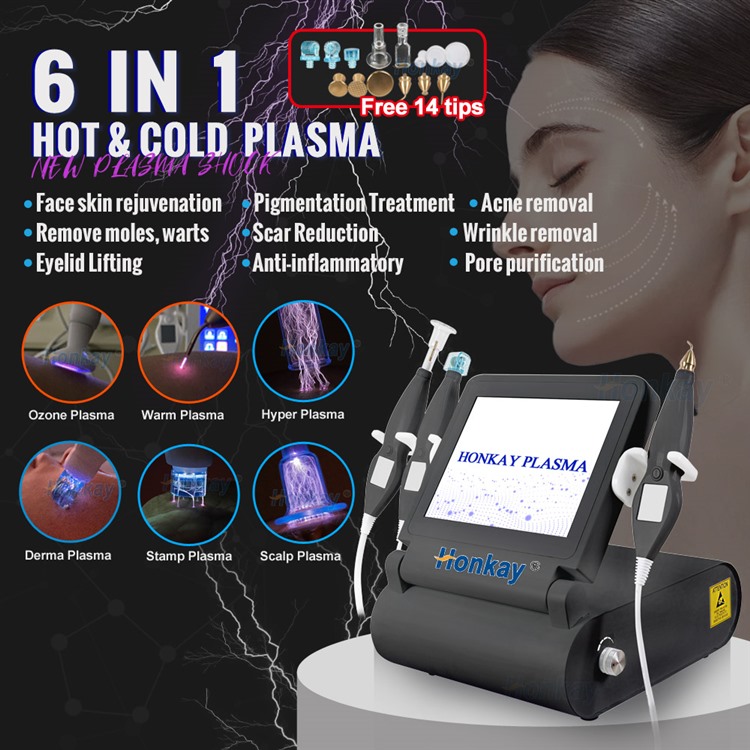
Cold and warm modes are not the same treatment at different strengths. They produce different surface reactions, so they belong to different service menus on your price list.
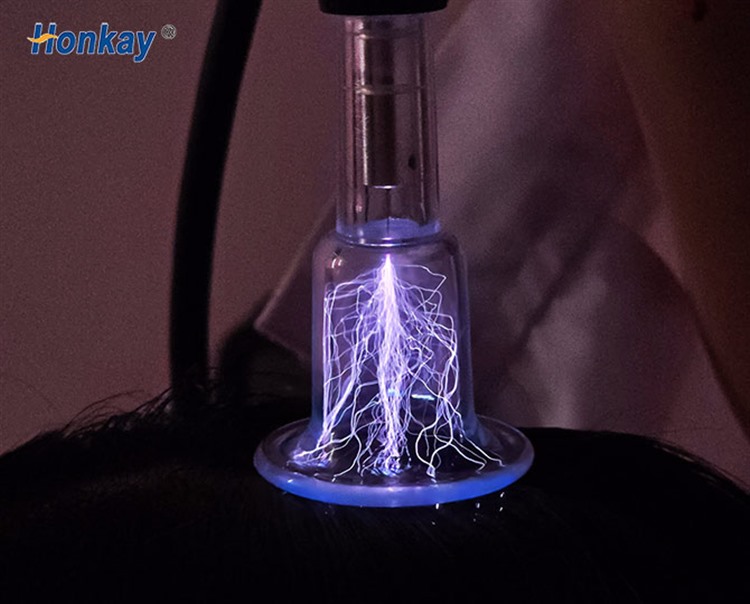
Warm plasma delivers more thermal energy to the surface. Operators use it for tightening, wrinkle work and firmer skin concerns. It is the more intensive mode, so a defined treatment window matters.
Cold plasma works at a lower surface temperature. It suits calming, cleansing and preparation steps, and clients who want a repeatable maintenance cycle rather than one intensive session.
| Mode | Surface behaviour | Typical service menu |
|---|---|---|
| Warm plasma | Higher thermal energy at the tip. | Tightening, wrinkle work and firmer concerns. |
| Cold plasma | Lower surface temperature. | Calming, preparation and maintenance cycles. |
| Ozone step | Surface care after the main pass. | Cleansing and post-treatment finish. |
Probe count separates a single-function pen from a working platform. Confirm the exact list and the spare-part prices in writing, because configurations differ between suppliers.
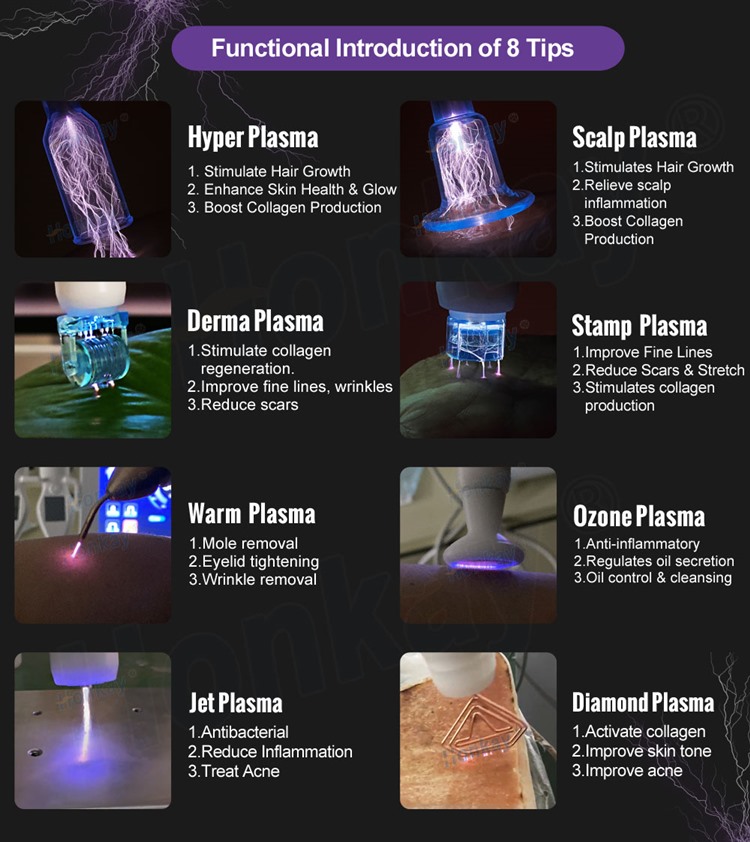
| Probe family | Primary use in the treatment room |
|---|---|
| Hyper Plasma | Broad facial coverage and overall skin glow programmes. |
| Derma Plasma | Fine lines, texture and general skin tone work. |
| Stamp Plasma | Precision work on defined, smaller areas. |
| Warm Plasma | Thermal protocols and firmer concerns. |
| Ozone Plasma | Surface care, cleansing and finishing steps. |
| Jet Plasma | Spot work and surface preparation before a main pass. |
| Diamond Plasma | Texture refinement across broader treatment areas. |
| Scalp Plasma | Scalp routines and hair-density service menus. |
Clients rarely arrive asking for a probe name. They arrive describing a concern, and your team has to translate that description into a mode and a probe.
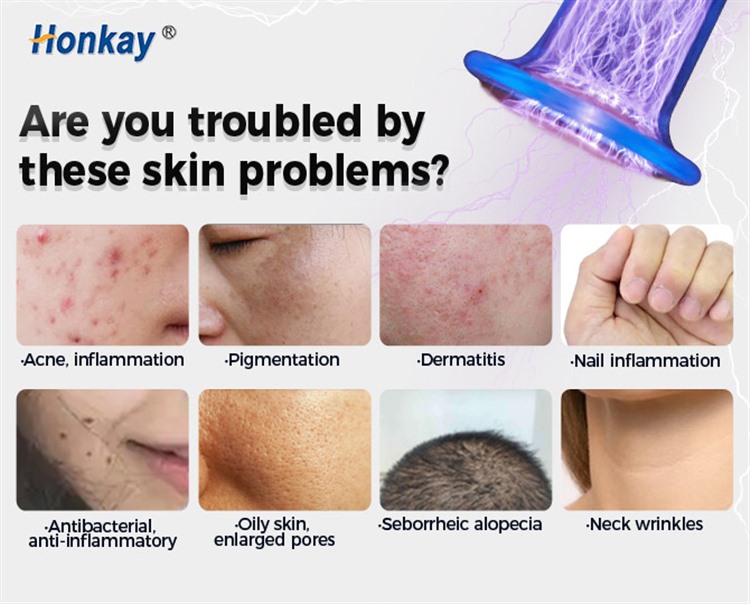
Build the menu so each concern maps to a named protocol. Clients rebook protocols they can understand, not probe codes on a chart.
A repeatable sequence keeps results consistent between operators and between rooms. Write it down once and train the whole team on the same order of steps.
Buyers who need a quotation, a protocol sheet or a shipping estimate can reach our team on WhatsApp at +1 (213) 824-3777, or by email at honkayplasma@gmail.com.
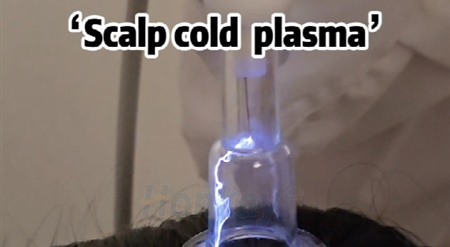
Scalp work uses a dedicated probe shape that reaches through the hair to the scalp surface. Nail area care applies the same principle to a much smaller zone, with a lower intensity setting.
These menus matter commercially. They extend the treatment list without a second machine, and they attract clients who are not booking facial services at all.
Configuration decides what your team can actually offer. A clinic running full protocols needs more handpieces and probes than a small salon starting with one service line.
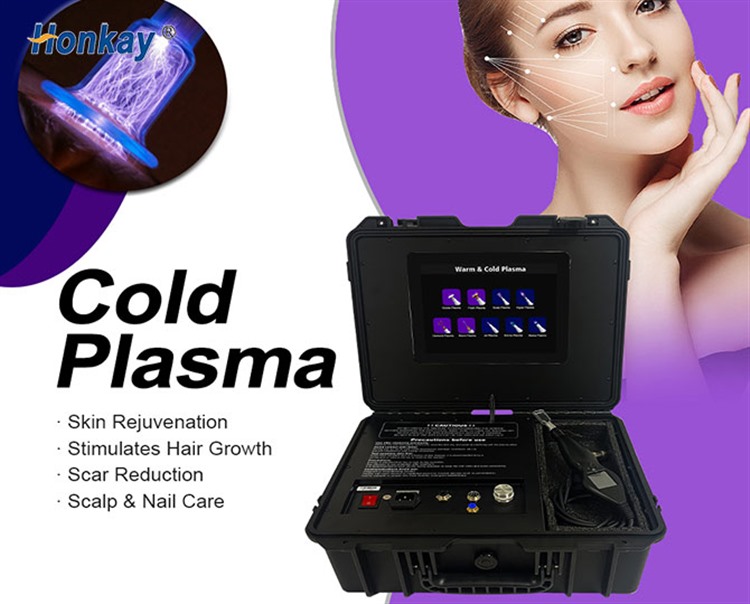
Three configurations cover most enquiries. Each one is built around a different starting point, so pick the model that matches the service menu you plan to sell first.
Tell us the service menu you plan to launch and we will confirm which probe set supports it, and which handpiece count keeps your rooms fully booked.
A brochure is not a contract. Convert every open question into a written line on the quotation so your margin stays protected after delivery.
| Item to verify | Why it matters | What to ask for |
|---|---|---|
| Probe set | Decides which menus you can sell. | A numbered probe list on the quotation. |
| Handpiece quantity | Affects scheduling across rooms. | A confirmed count plus spare pricing. |
| Warranty | Sets your own after-sales cost. | A 24-month warranty stated on the invoice. |
| Lead time | Affects your launch date. | A dated dispatch commitment. |
| Voltage and plug | Affects usability in your market. | The standard that matches your region. |
| Spare parts | Affects uptime after delivery. | A price list and a dispatch window. |
It supports non-contact skin and scalp protocols. Typical menus cover tightening, wrinkle work, skin texture, marks, surface care and scalp routines.
Warm plasma transfers more thermal energy to the surface and suits firmer, more intensive work. Cold plasma works at a lower surface temperature and suits gentler, repeatable routines.
Probe count depends on the configuration you order, and suppliers quote different sets. Ask for a numbered probe list on the quotation rather than relying on a brochure photo.
Both segments use it. A small salon often starts with cold plasma protocols and adds thermal work as staff confidence grows. Clinics frequently run the full set from day one.
Cold plasma passes are generally described as a mild warmth or tingling. Warm plasma is more intensive, so operators set a defined window and adjust intensity as they work.
Probes are the main consumable, and clients reorder them over time. Model that repeat revenue before you set your own retail price for each service.
Units ship with a 24-month warranty from the factory shipment date. Spare parts and remote technical support are available through your account manager.




 English
 中文
中文
 Español