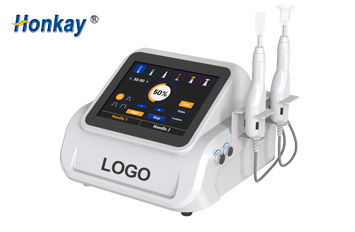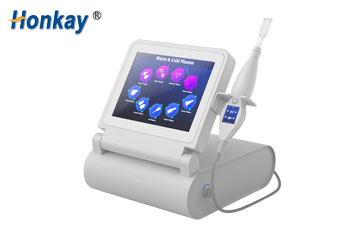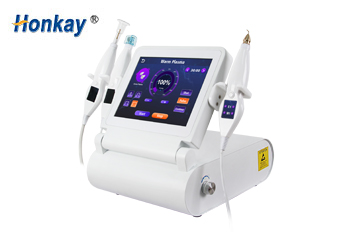
A cold and hot plasma beauty machine has moved from novelty equipment to a standard fixture in professional treatment rooms. Distributors ask about it because salons ask about it first.
The commercial reason is simple. One platform covers several service menus instead of just one.
This guide is written for buyers, not for end clients. It covers how the modes differ, which working tips do what, and the questions worth settling in writing before you place an order.
Plasma is an ionised gas. In aesthetic use, the handpiece creates a controlled plasma discharge at the tip. The treatment is non-contact: the tip stays just above the skin surface.
That non-contact behaviour is the commercial point. Staff can be trained on a technique-driven protocol rather than a needle-driven one, and the same machine serves several service lines.
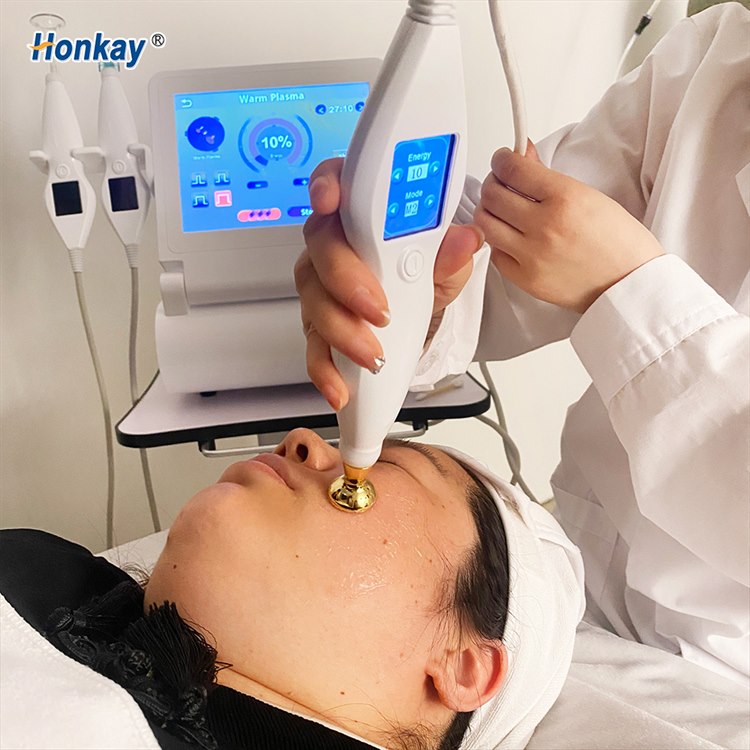
Buyers usually treat "cold and hot" as a single feature. In practice the platform is sold on a set of modes.
Each mode maps to a different service on your price list. Understanding that mapping is what lets you position and price the unit correctly.
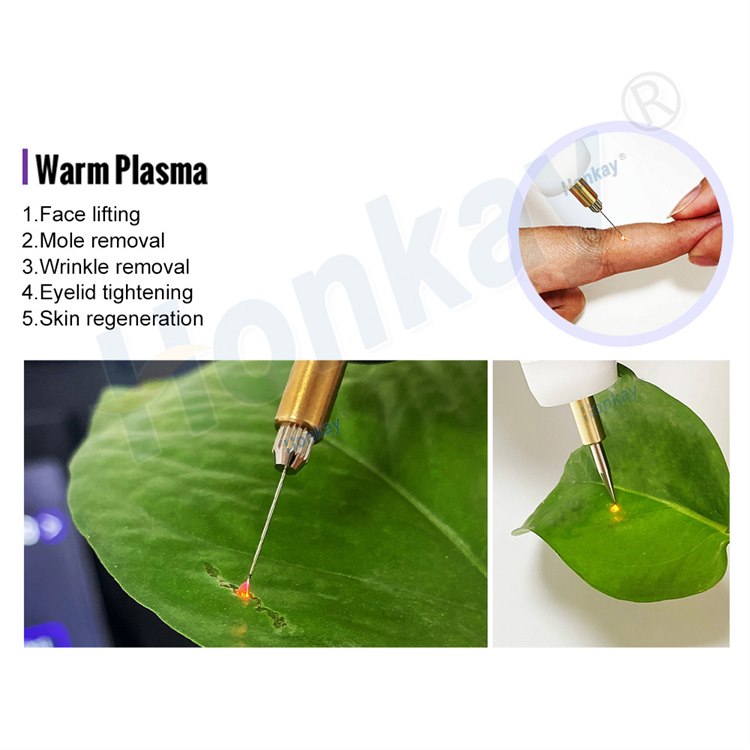
The thermal mode delivers plasma energy that raises surface temperature briefly. It is the mode operators associate with lifting, wrinkle work, mole removal and skin regeneration protocols.
Because it is the more intensive mode, patient selection and staff training matter. Ask your supplier to supply the operating window in the manual, not just a marketing claim.
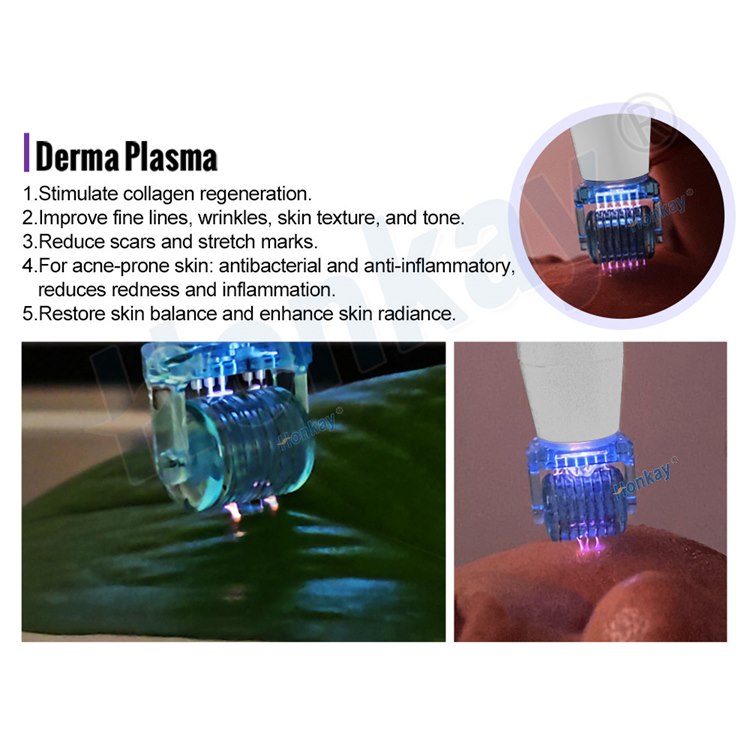
The derma mode works at a lower surface temperature. Clinics position it around collagen support, fine lines, skin tone and marks, and around the appearance of unhappy skin.
It is typically the easier mode to introduce, because the protocol is gentler and suits clients who want a maintenance cycle rather than a single intensive session.
The same unit is resold into four different channel types. Each one buys it for a different reason, and each one needs a different supporting message from you.

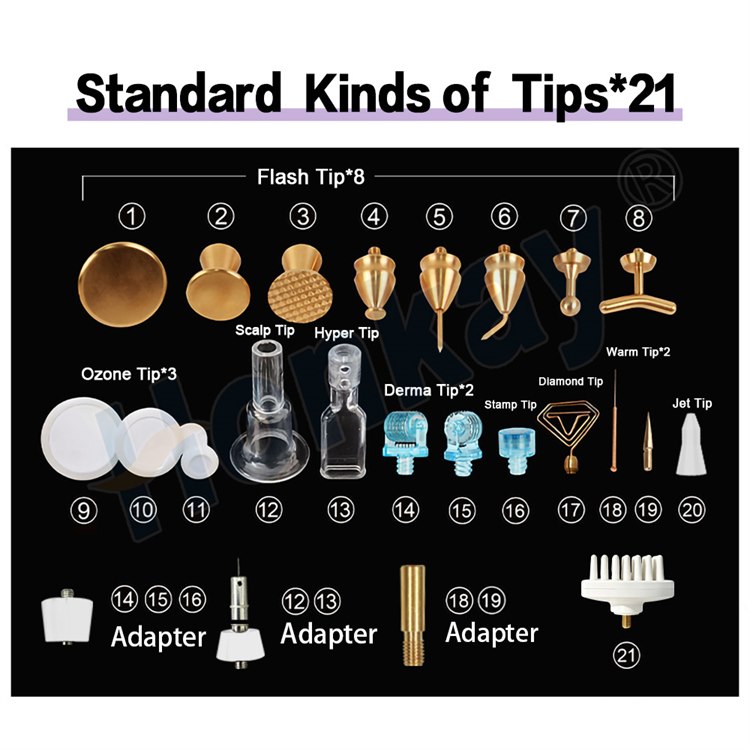
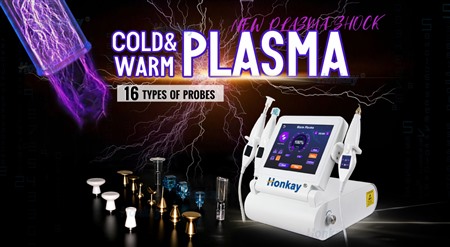
The tip set is what separates a single-function pen from a full platform. Confirm the exact tip count and spare-parts list in your quotation.
Tip count varies between suppliers, and even between configurations of the same machine body. Treat it as a written specification, not a brochure detail.
| Tip family | Positioning in the room |
|---|---|
| Stamp, Flash, Jet | Precision work on small areas and defined zones. |
| Hyper, Diamond, Derma | Facial coverage, texture and overall skin programmes. |
| Comb, Scalp | Scalp protocols and hair-density service menus. |
| Warm, Ozone | Thermal work and post-treatment surface care. |
Use this table when you brief a reseller or write your own product sheet. It keeps the three modes distinct instead of collapsing them into one vague description.
| Mode | Suited to | Staff note |
|---|---|---|
| Warm plasma | Lifting, wrinkle and regeneration protocols. | Higher intensity; use a defined treatment window. |
| Derma plasma | Fine lines, tone, marks and maintenance cycles. | Gentler entry point for new clients. |
| Ozone and scalp routines | Surface care and scalp service menus. | Sequence after the main plasma step. |
Specifications differ between factories, and a brochure is not a contract. Convert every open question into a written line item on the quotation.
| Item to verify | Why it matters | What to request in writing |
|---|---|---|
| Tip count and spare list | Drives the service menu you can advertise. | Numbered tip list with per-tip unit price. |
| Handpiece quantity | Affects throughput between clients. | Handpieces supplied per set and their part codes. |
| Interface and software language | Staff usability and training time. | Confirmed screen language and menu layout. |
| Voltage and plug standard | Prevents returns in your destination market. | Voltage range and the plug supplied as standard. |
| Compliance documents | Each destination market has its own rules. | The document set your market requires, named. |
| Warranty terms | Sets your own aftersales cost. | A 24-month warranty stated on the invoice. |
Buyers who need a quotation, a sample video or a shipping estimate can reach our team on WhatsApp at +1 (213) 824-3777, or by email at honkayplasma@gmail.com.
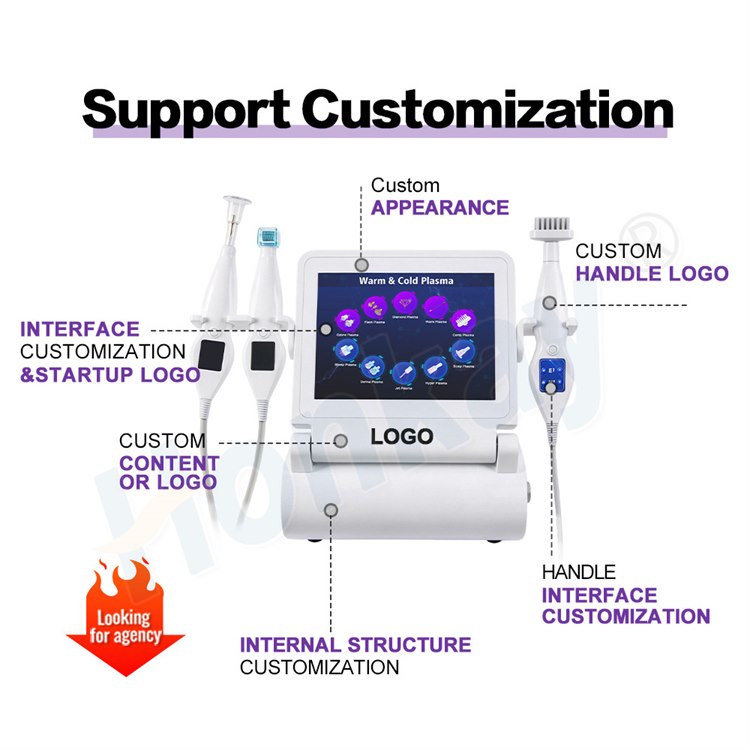
For distributors building their own brand, customisation usually splits into three layers: what the client sees, what the software shows, and what the body is built from.
Settle minimum order quantity, artwork format and artwork approval steps before paying a deposit. Ask for a sample unit if the artwork is complex.
The purchase price is only the first number on the spreadsheet. Tips are consumable, and your clients will reorder them. Model that repeat revenue before you set your own retail price.
Training is the second number. Confirm whether protocol videos, a printed manual and remote support are included, and in which language.
After-sales is the third. Ask who supplies spare parts, how long dispatch takes, and how a fault is diagnosed remotely. Written answers here protect your margin later.
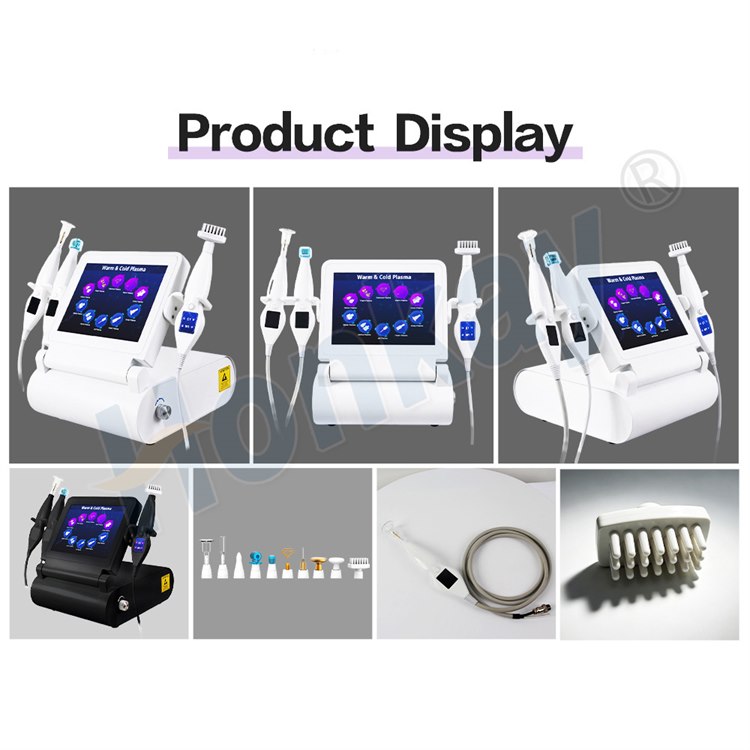
It is used for non-contact skin and scalp protocols. Common service menus cover lifting, wrinkle work, skin texture, marks, surface care and scalp routines.
Warm plasma transfers more thermal energy to the surface, so it suits higher-intensity lifting protocols. Cold or derma plasma works at a lower surface temperature and suits gentler, repeatable maintenance routines.
Tip count depends on the configuration you order, and suppliers quote different sets. Ask for a numbered tip list on the quotation rather than relying on a brochure image.
Both segments use it. A salon typically starts with the gentler derma mode and adds thermal protocols as staff confidence grows. Clinics often run the full mode set from day one.
Yes. Housing branding, on-screen start-up content and handle interface options can all be customised. Minimum order quantity and artwork requirements are confirmed per project.
Units ship with a 24-month warranty from the factory shipment date. Spare parts and remote technical support are available through your account manager for the life of the unit.
Confirm the tip list, handpiece quantity, screen language, voltage and plug standard, compliance documents for your market, warranty wording, lead time and a spare-parts price list.




 English
 中文
 Español