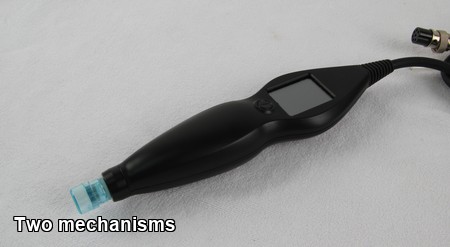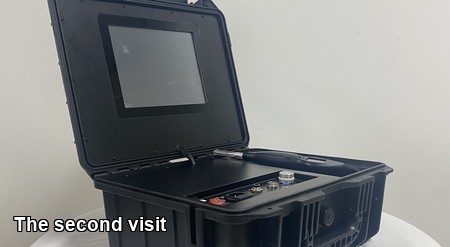
A probe that fits one unit and refuses the next is the most common reason a spare-parts order comes back. The cause is rarely a poor supplier. It is an unlabelled drawer.
This is how to identify a probe properly, record it once, and keep that record useful after the therapist who built it has moved on.
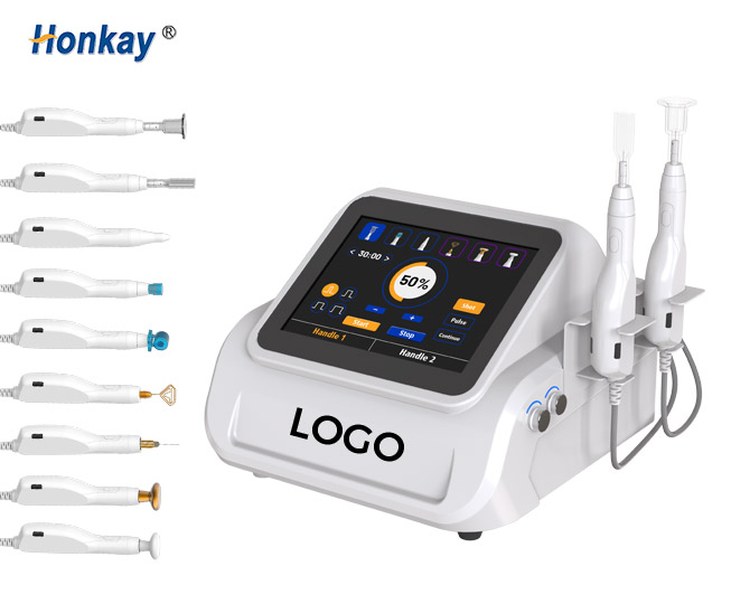
Two machines can share a housing, a screen size and a price list, and still take different probes. What changes is hidden behind the collar.
Three things vary between probes that look identical on a bench: the thread or bayonet at the base, the pin layout inside the plug, and the barrel length.
Any one mismatch leaves the probe unable to seat, or seating badly. A probe that sits loose arcs at the collar instead of at the tip.
That is why "same brand, same year" is not enough information to place a replacement order with confidence.
Every probe in your stock needs three recorded values before it goes into service. Without them, a reorder becomes a guessing game played over chat.
Record the values once, when the probe is new and the connector is still clean. A worn thread is harder to measure accurately.
| Field | What To Record | Why It Decides Fit |
|---|---|---|
| Connector | Thread size or bayonet type, measured in millimetres | Controls whether the probe seats at all |
| Pin layout | Number and arrangement of contacts inside the plug | Controls whether the unit reads the probe |
| Barrel length | Tip to collar, measured in millimetres | Controls whether the arc reaches the treatment area |
A photograph of the connector, shot straight on with a ruler in frame, answers all three faster than any written description.
Colour coding is a house convention, not an industry standard. Two suppliers can use the same blue collar for probes that share nothing else.
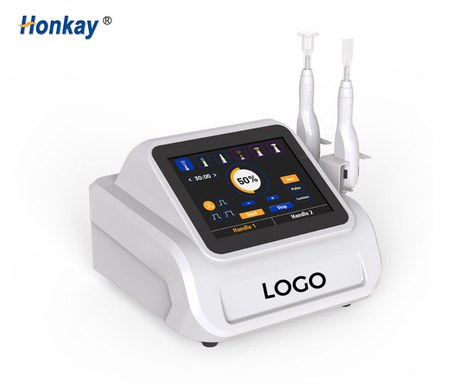
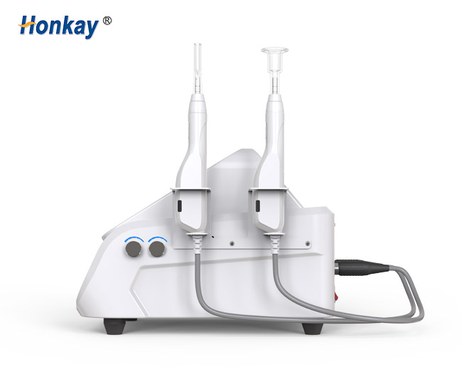
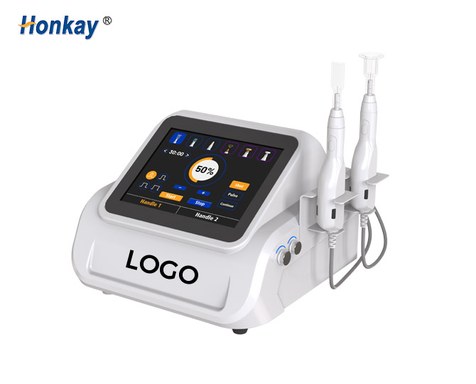
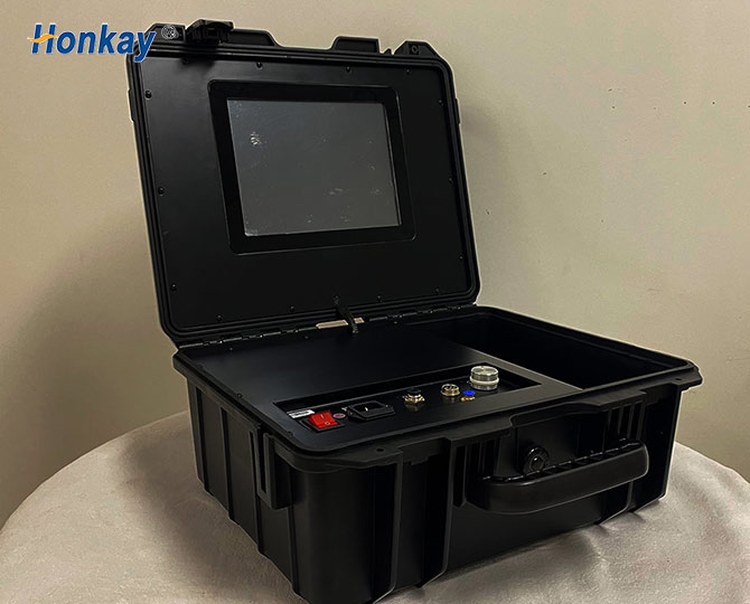
At the machine end, count the sockets. A four-socket plate and a two-socket plate are not interchangeable even when the handpieces look alike.
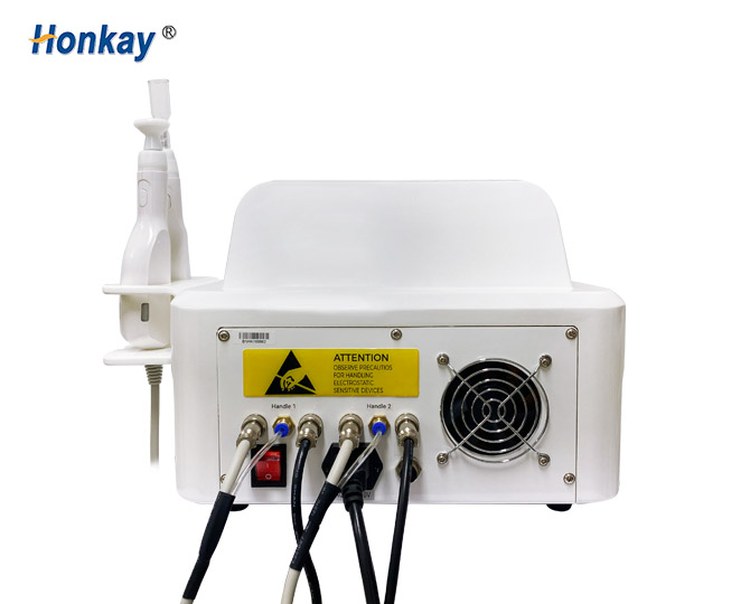
Photograph the socket plate once, mark each socket with the probe family it serves, and keep that image with the purchase paperwork.
When a therapist reports that "the small one stopped working", the photo turns a vague description into a socket number.
A spare-parts ledger does not need software. One sheet, one row per probe, a photograph column and a purchase date is enough to start.
Keep the ledger beside the unit rather than in somebody's phone. The person who needs it is usually the newest member of the team.
Store probes by family, not by size. Size ordering looks tidy and creates collisions, because two families can share a barrel length.
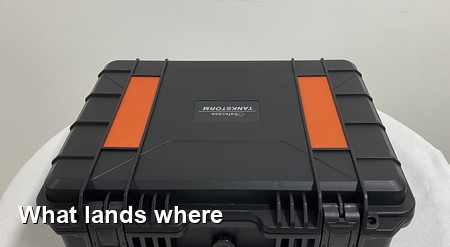
Label the foam cutouts to match the ledger rows. A probe returned to the wrong cutout is a probe that will be ordered twice.
Five photographs answer almost every compatibility question a supplier will ask, and the set takes about four minutes to shoot.
Shoot the connector straight on, the socket plate, the full probe beside a ruler, the handpiece with the probe seated, and the machine label.
Send that set once and keep it. Reusing the same five images on every later order removes the question round that delays dispatch.
Not every weak treatment is a worn probe. Three symptoms point in three directions, and the corrective action differs for each.
| Symptom | Likely Cause | First Check |
|---|---|---|
| Weak or uneven arc | Tip wear | Barrel length against the ledger value |
| Arc at the collar | Probe not fully seated | Thread condition and seating depth |
| Unit will not start | Contact fault | Pin layout and plug alignment |
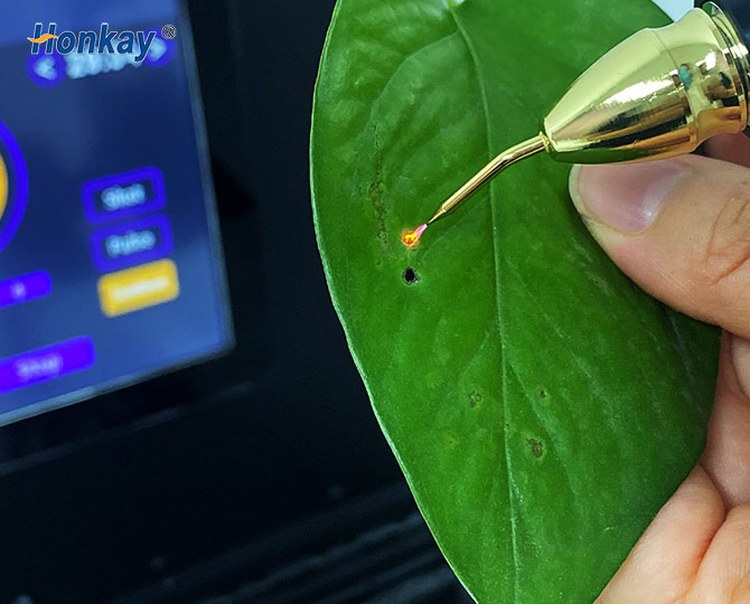
Wear is gradual and easy to miss. A tip that has lost a fraction of a millimetre still fires, so the operator compensates with a slower pass.
Loose seating is sudden and usually follows a probe being forced into the wrong socket. The thread takes the damage, not the probe.
A probe from the wrong family that seats cleanly is the harder case, because nothing appears wrong until the result does.
Most urgent probe orders are not caused by demand. They are caused by ordering at the point of failure instead of at the reorder level.
Set a reorder level per family rather than per probe. Two spare tips for every handpiece in daily use is a workable starting rule.
Probes age in storage. A three-year supply bought at a discount can become a three-year supply of brittle barrels and stiff threads.
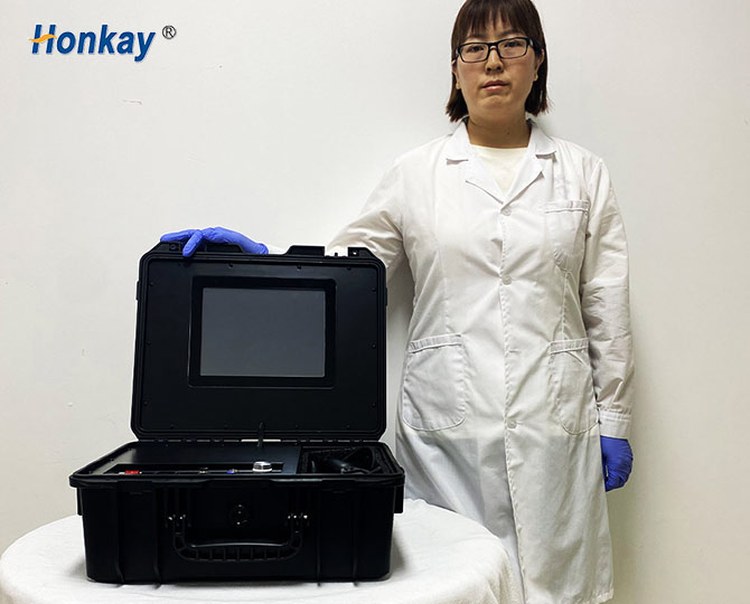
Hand the kit over with the ledger open. A new distributor who receives a case and a finished spreadsheet tends to keep it current.
Where a mixed product line is in service, keep one demonstration set aside and marked. It becomes the reference for every later order.
Only when connector, pin layout and barrel length all match. Same brand and same year still leaves room for two different socket plates.
No. Barrel length is a fit question first. A longer probe can bottom out on the collar before the tip reaches the treatment area.
Replace on measured wear rather than on a calendar. Track barrel length and arc quality, and replace when either drifts from the recorded value.
Send the five photographs and the ledger row. A supplier who built the handpiece can usually identify the family from the socket plate.
Follow your own clinic protocol for handpiece and tip surfaces. Keep those instructions in the same folder as the compatibility record.
Only where the handpiece is built for it. Mixing families on a single socket usually means the unit cannot read the probe correctly.
Two per handpiece in daily use is a practical floor. It covers a wear failure without forcing an emergency air shipment.
If a probe has stopped seating, the quickest route is a photograph of the connector and the socket plate, plus the barrel length.
Our team reads those three details and replies with the matching family, the current lead time, and the reorder level we would set.
Message us on WhatsApp +1 (213) 824-3777 or write to honkayplasma@gmail.com. Machines ship with a 24-month warranty, with probes and consumables covered separately.




 English
 中文
 Español