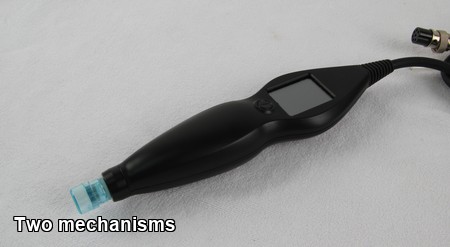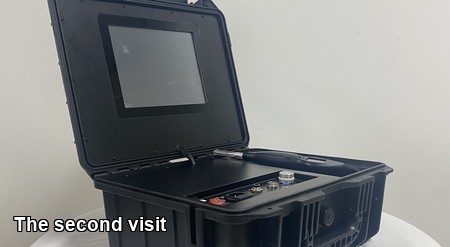
A cold plasma machine can survive a two-week sea voyage and still arrive with a cracked handpiece. Usually the box was chosen for price, not for the journey.
Here is how we pack, what the forwarder will ask for, and where the cost lands.
There is no single correct box. The right answer depends on how many units travel together and whether the machine will be carried by hand afterwards.
Double-wall carton with moulded foam. The default for single units.
An outer five-layer carton, an inner carton, and foam cut to the shape of the device. Light, cheap to replace, and adequate for express couriers that handle parcels one at a time.
Carton plus timber crate. For sea freight and for anything stacked.
The crate takes the compression load so the device does not. Expect roughly double the shipped volume and a heat-treatment mark on the timber.
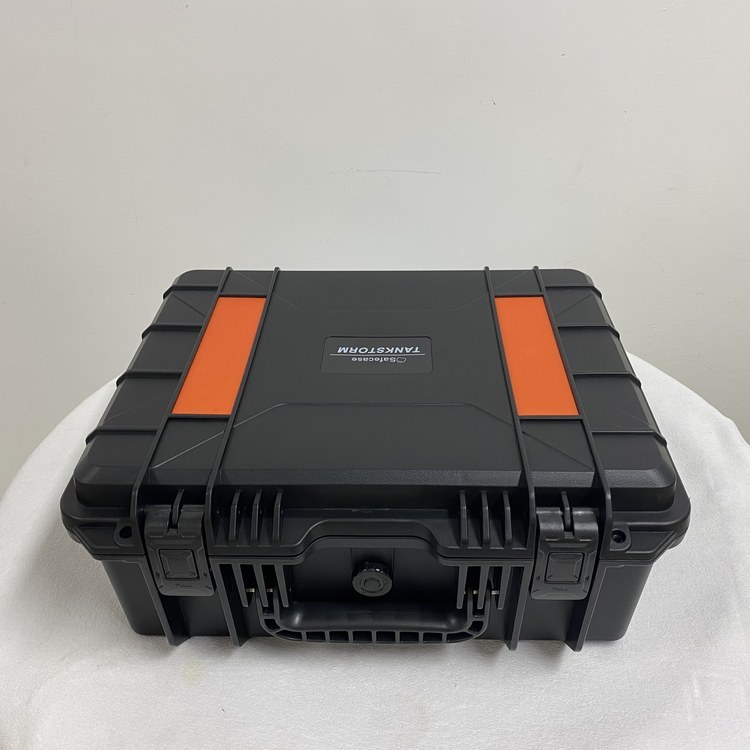
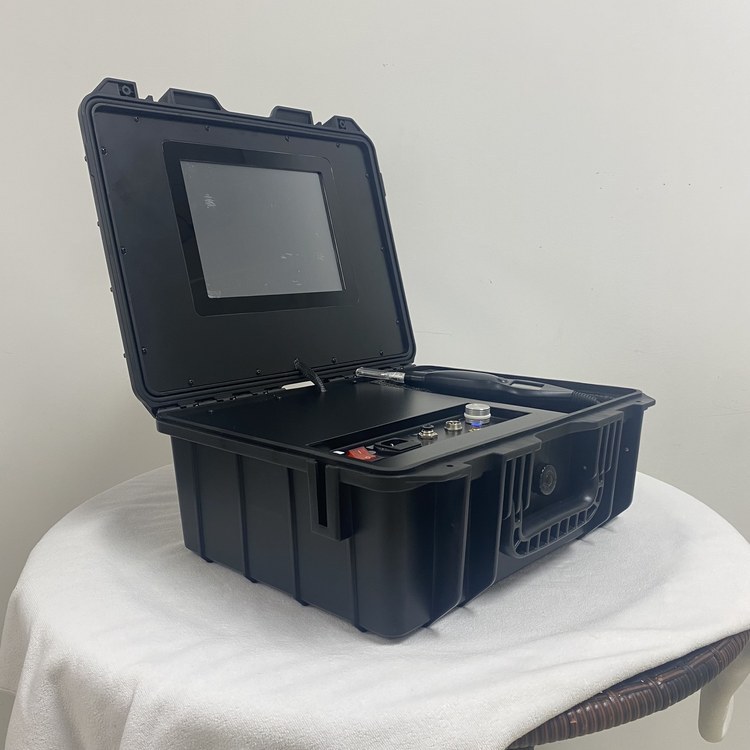
Moulded flight case. For demo units and machines that travel between clinics.
Reusable, lockable, and it doubles as storage. It costs more than the carton, and it is the only option that survives being checked in as luggage.
Ask which one is quoted. A price that looks low often ships in the thinnest of the three.
A mains-powered cold plasma unit has no lithium cell inside it. That single fact removes the most common reason a beauty device gets held at an airport.
No lithium cell means no dangerous goods declaration and no state-of-charge paperwork. It also means no airline restriction on how full the battery must be.
Handheld pens with an internal cell are a different case. Those are usually shipped with the cell removed, or declared separately by the forwarder.
Two practical consequences follow. Air freight is genuinely available, which compresses a six-week sea transit into days. The machine still contains a screen and a handpiece, so it remains fragile cargo.
If a quotation bundles battery handling into the freight for a mains-powered machine, ask what it refers to.
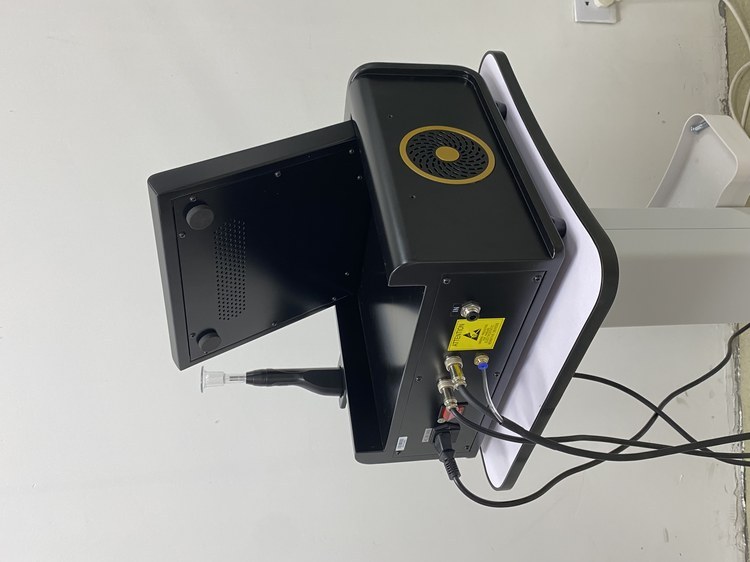
Couriers charge the greater of actual weight and volumetric weight. A plasma machine is bulky and light, so volumetric almost always wins.
Multiply length, width and height in centimetres, then divide by five thousand for air express. A carton of 60 by 50 by 40 centimetres is 120,000 cubic centimetres.
That bills as 24 kilograms regardless of what the scale says. This is the single number most likely to differ between two freight quotes.
| Pack format | Billed weight, one unit | Best fit |
|---|---|---|
| Double-wall carton | About 24 kg volumetric | Air express, single unit |
| Carton in timber crate | About 45 kg volumetric | Sea freight, pallet loads |
| Flight case | About 30 kg volumetric | Demo units, repeat travel |
Numbers vary with the model and the accessories ordered. Treat the table as an order of magnitude, then ask for real carton dimensions before committing to a landed cost.
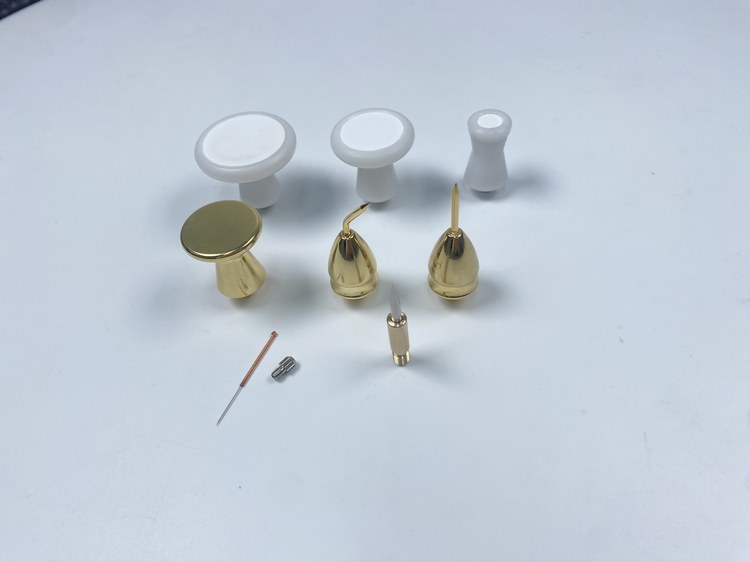
Most delays are paperwork delays. These are the items worth assembling before the machine leaves the factory floor.
The invoice is where small errors become expensive. A description reading beauty equipment, assorted invites a customs query; the product name and its function do not.
Every order ships with a 24-month warranty statement, a manual in the destination language, and a spare-parts list. Those three travel inside the carton, not by email.
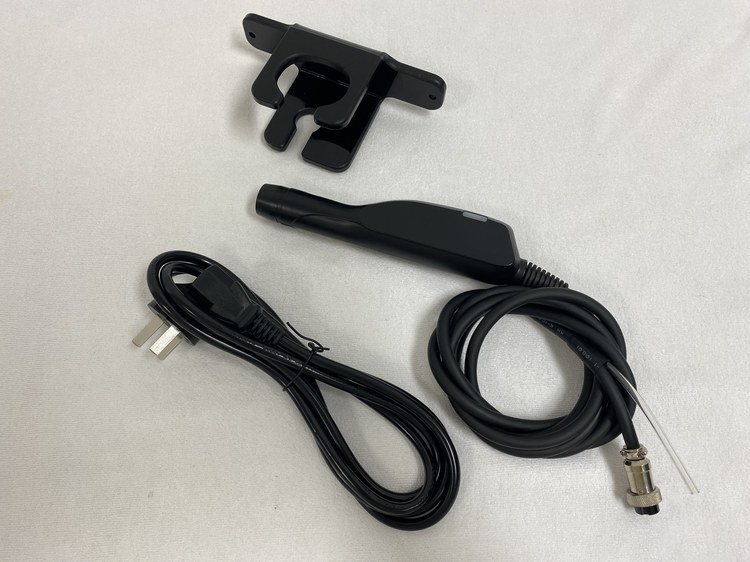
The Incoterm decides where the seller's cost stops. Two quotes for the same machine are often not comparable, because they stop in different places.
| Term | Seller pays | Buyer pays |
|---|---|---|
| EXW | Packing only | Everything from our door |
| FOB | Packing, inland haul, export clearance | Main freight, duty, delivery |
| CIF | Above plus main freight and insurance | Import duty, local delivery |
| DDP | Everything to the named address | Nothing, but the price carries the duty |
DDP feels simplest and is the term that most often produces a surprise. Duty rates differ by destination and by declared value. If a DDP price is markedly lower than the others, check the declared value.
A demo unit leads a harder life than a sold machine. It flies, it is unpacked in a hotel room, and it comes back scratched.
Three habits reduce the damage. Keep the foam insert with the case at all times, because a case without its insert offers almost no protection.
Photograph the unit before each trip, so a new scuff can be attributed. Carry the handpiece and probes in a separate padded pouch rather than loose in the case.
Weight matters too. A moulded case with wheels and a retractable handle repays the extra cost the first time you carry it across an airport.
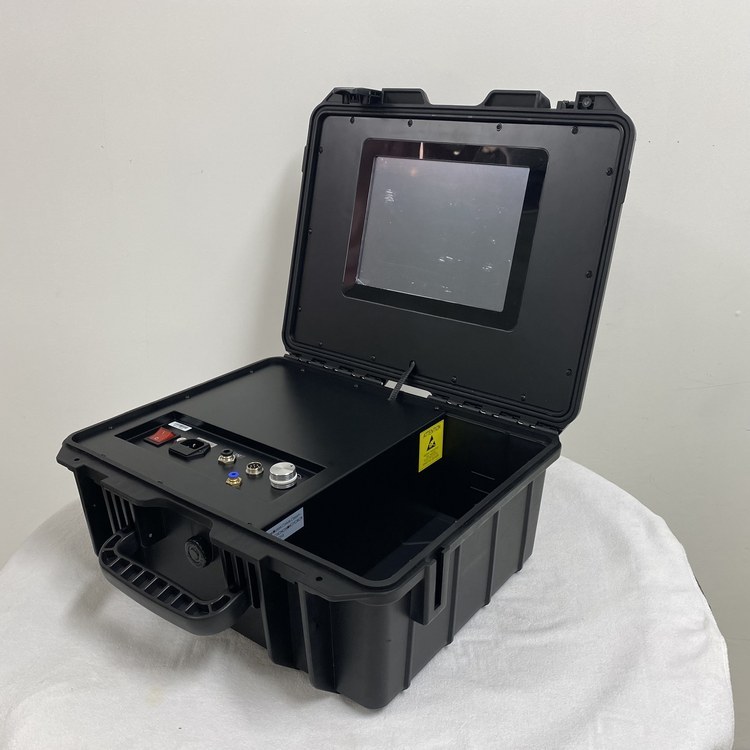
Freight insurance rarely covers damage that cannot be evidenced. The evidence is collected in the first hour, not the first week.
Unpack in front of the driver where possible. Photograph the carton, then the open carton, then the damaged part, then the shipping label.
Four photographs, taken in that order, answer nearly every question a carrier will ask. Report within 48 hours of delivery.
After that window many carriers decline the claim regardless of the damage. Keep the packaging until the claim closes, because inspectors may ask for it.
Where a part has failed rather than been crushed, the spare-parts route is usually faster. A handpiece or a probe can ship in days; a claim can take weeks.
If you are opening a salon, keep one spare of each consumable on the shelf.
Mains-powered units do not contain a lithium cell, so they are not treated as dangerous goods. Handheld pens with an internal cell follow different rules and usually ship with the cell removed.
FOB is the most transparent for a first order, because freight and duty stay visible as separate lines. Move to DDP once you know the landed cost.
Sea freight typically runs four to six weeks door to door, depending on the port pair. Air express usually delivers within a week once the goods are collected.
Yes, and it is usually cheaper per unit, because the crate and the handling are shared. Each device still needs its own foam insert.
Photograph it before signing, note the damage on the delivery document, and ask the driver to countersign. A signature without a note weakens the claim.
Yes, when the destination language is specified on the order. Tell us at the quotation stage rather than after production.
Under CIF the seller arranges it. Under FOB and EXW the buyer does, and it is worth doing even for a single unit.
Send us the destination port or city and the quantity, and we will reply with the carton dimensions and two shipping options side by side.
You can reach us on WhatsApp at +1 (213) 824-3777, or by email at honkayplasma@gmail.com.




 English
 中文
 Español