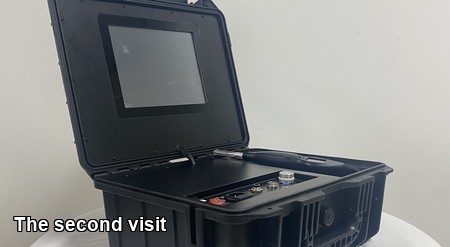
Clients rarely arrive asking for a specific technology. They ask what will work on their skin without taking a week off work, and the answer sometimes sits between two devices.
Cold plasma and laser resurfacing are often compared as if they compete on strength. They do not. One works on the surface with minimal downtime; the other removes or heats tissue to a chosen depth.
Understanding the difference makes the consultation easier, and it stops a clinic from selling the wrong tool to a client who needed the other one.
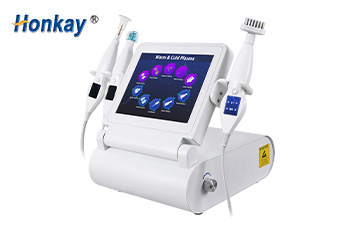
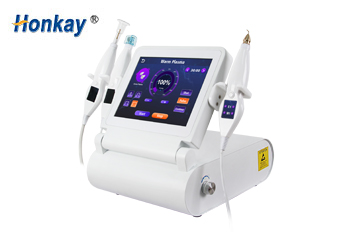
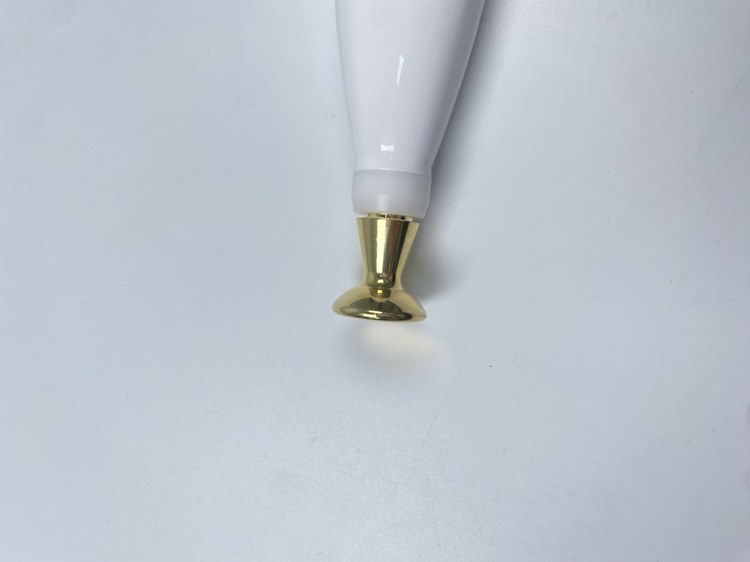
Cold plasma delivers ionised gas at close to body temperature. It acts on the skin surface, on the outer layer and on the immediate response beneath it.
Resurfacing lasers deliver light energy that is absorbed and converted to heat at a controlled depth. Ablative types remove tissue; non-ablative types heat without removing it.
That difference explains almost everything downstream: downtime, discomfort, risk profile and how many sessions a course needs.
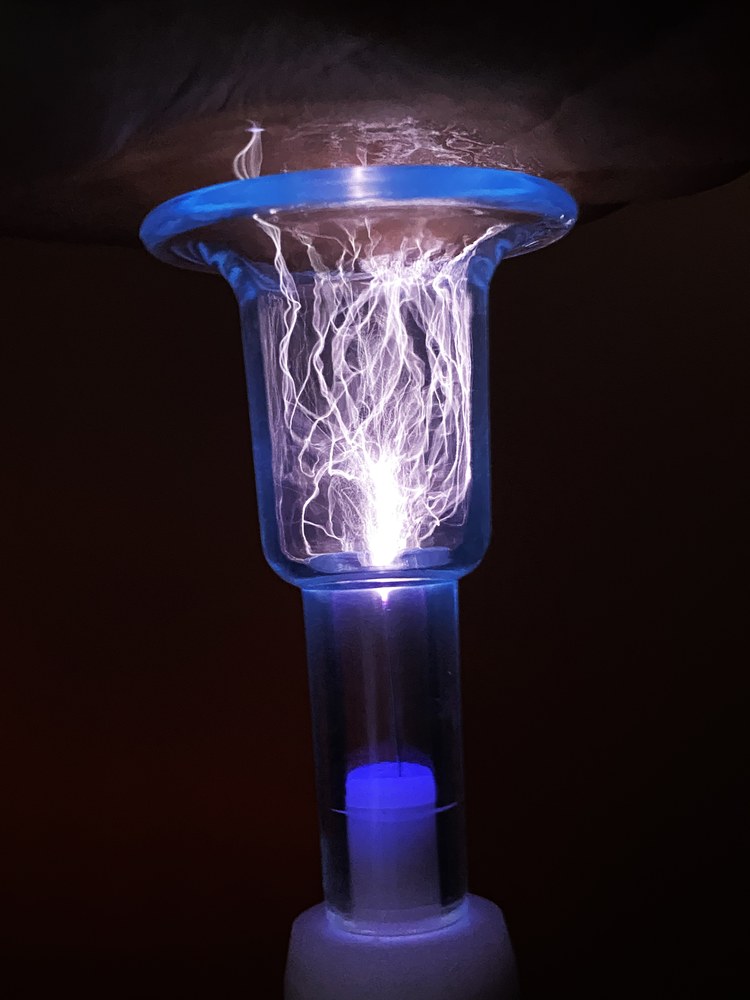
Cold plasma usually leaves a flush that settles within hours, with occasional light flaking over a few days. Most clients return to normal activity the same day.
Non-ablative laser often brings several days of redness and swelling. Ablative resurfacing typically involves a week or more of visible recovery, with oozing and significant redness.
Ask what the client's next ten days look like before recommending anything. A wedding, a work trip or a camera-facing job changes the sensible choice more than the skin does.
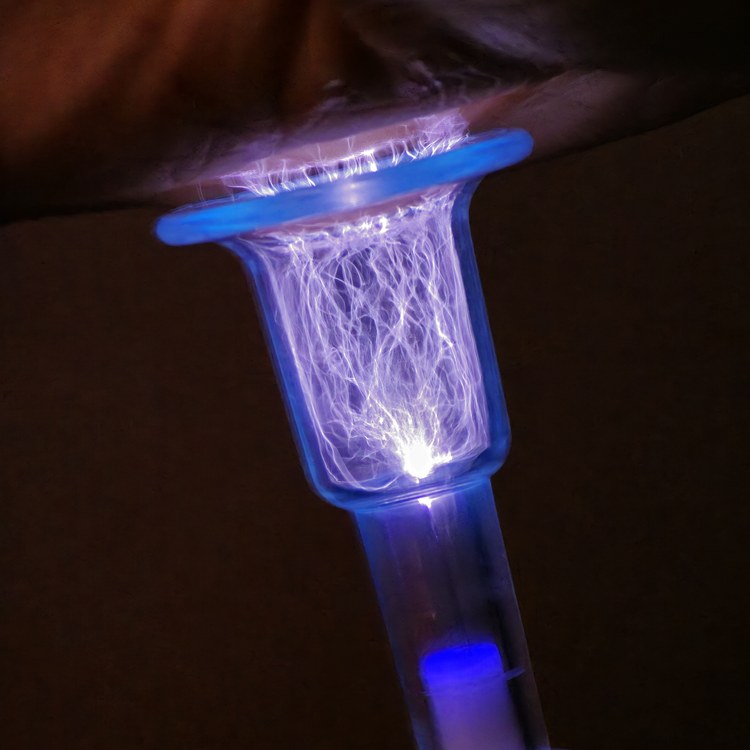
Cold plasma risks are mostly surface-level: temporary pigment change, minor flaking, and discomfort if the tip is held too long in one place.
Laser carries those risks plus deeper ones: burns, scarring, infection, and more pronounced pigment change, particularly on deeper skin tones.
Neither list is a reason to avoid treatment. Both are reasons to screen clients properly and to be honest about what can go wrong.
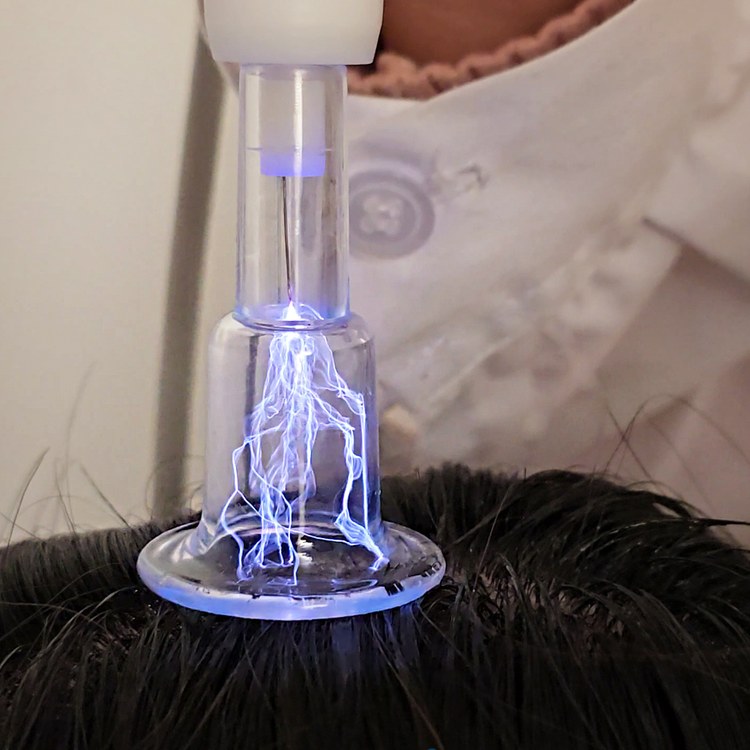
Cold plasma fits clients who want visible change on texture and fine lines with little or no interruption to their week.
It also fits clients who cannot take laser downtime for medical, professional or personal reasons, and clients who want to start conservatively.
| Client situation | Cold plasma | Laser |
|---|---|---|
| Cannot take a week off | Usually suitable | Usually not, if ablative |
| Wants gradual change | Suited to a course | Often one decisive session |
| Deeper skin tone | Workable with lower settings | Needs careful selection |
| Significant sun damage | Limited effect | Usually the stronger option |
Laser suits clients with a defined concern that needs depth: pronounced sun damage, significant texture loss, or scarring that surface treatment will not reach.
It also suits clients who can plan recovery properly, and who accept that one session may do more than a course of gentler treatments.
If a client asks for a result that only resurfacing can deliver, say so. Selling a course of plasma for a laser-sized concern produces disappointment on both sides.
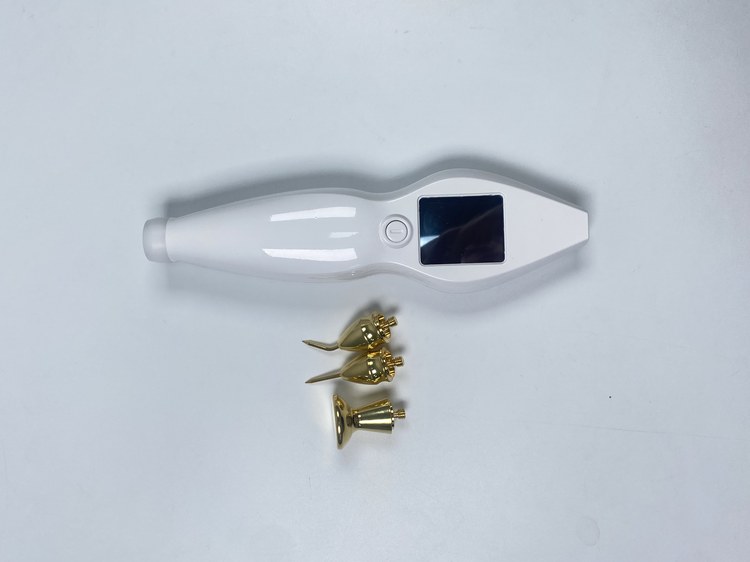
Clinics that own both devices tend to use laser for the decisive cases and plasma for maintenance, for pre-event work, and for clients who are not laser candidates.
Plasma also works well as the treatment between laser sessions, when the skin needs surface support without adding another recovery period.
Sequence matters. Leave a clear gap after resurfacing before starting plasma, and let the skin settle completely before either is repeated.
Four questions settle most referrals: what is the concern, how much downtime is possible, what has the client tried, and how does their skin respond to injury.
Add a fifth for deeper skin tones: has pigment appeared after previous treatments. The answer changes the recommendation more than the device brochure does.
Write the answers into the record even when you refer the client elsewhere. If they come back, the consultation restarts from knowledge rather than from memory.
Then record the decision itself: which option you recommended, what the client declined, and why. That single line turns a later conversation from persuasion into a review.
Units we supply carry a 24-month warranty with documented probe life, which keeps the running cost of the gentler option predictable next to a laser service contract.
If you are weighing a first plasma unit against a laser upgrade, our team can talk through the throughput and consumable maths on WhatsApp at +1 (213) 824-3777 or by email at honkayplasma@gmail.com.
No. It uses ionised gas rather than light energy, and it acts on the skin surface.
Usually less. Most clients describe warmth rather than sharp discomfort.
Leave a clear gap and let the skin settle first. Ask the treating clinician how long for that specific procedure.
Ablative resurfacing usually produces the larger single-session change, with correspondingly more recovery.
It covers different concerns. For pronounced sun damage or scarring, resurfacing still does work plasma cannot.
It can be used with lower energy and conservative endpoints. Assess pigment history first.
Usually about four weeks, which leaves time to judge the response before the next visit.
If you are deciding between a resurfacing platform and a plasma unit, tell us your client mix and your room capacity. We can compare realistic throughput rather than headline settings.
Clinics planning equipment purchases can reach our team on WhatsApp at +1 (213) 824-3777, or by email at honkayplasma@gmail.com.




 English
 中文
 Español