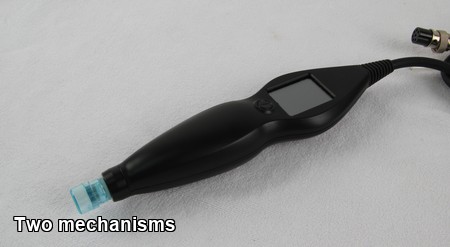
Cold plasma results build across visits, which makes rebooking part of the treatment rather than a sales task afterwards. A clinic that leaves the second appointment to chance usually loses it.
The pattern is consistent: the first session goes well, the client says they will call, and nobody does. Three weeks later the result has faded and the conversation restarts from zero.
This guide covers the small operational habits that turn a single booking into a course, without discounting your work or chasing clients.
Clients commit to a course when three things are true: they understand why one visit is not the finish, they see a change, and the next date is already in the book.
Most clinics handle the first two and skip the third. Setting the expectation without holding a slot is a hope, not a plan.
Decide your standard course before the client arrives: how many sessions, at what interval, and what each one is for. Improvising this in the room produces vague advice.
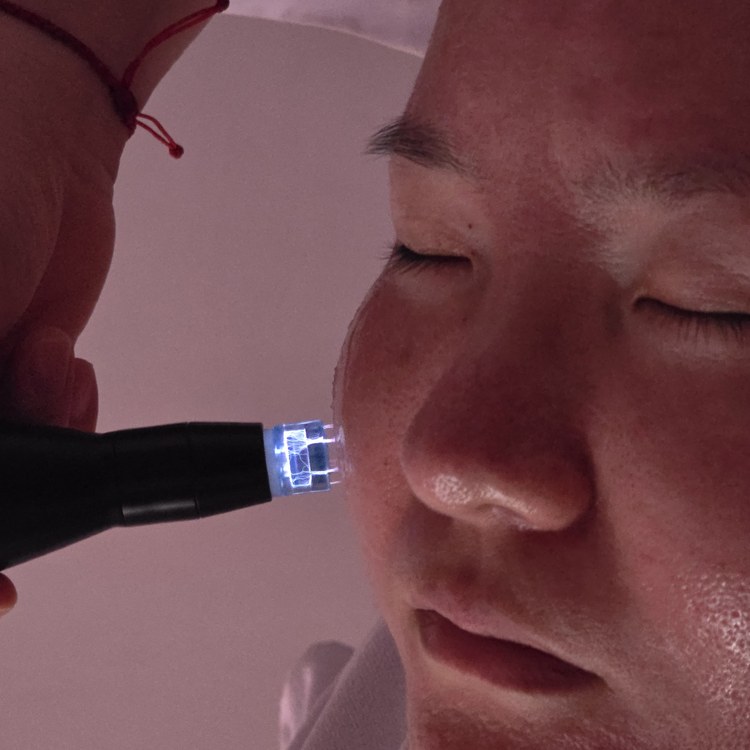
Talk about what the client will see before they look in the mirror, not after. Handing over a mirror without context invites the wrong comparison.
Say what is normal today: warmth, slight tightness, a faint flush that fades within hours. Then say what changes over the next two weeks and what needs a second visit.
A client who knows the timeline judges the result against the right day instead of against a photograph from five years ago.
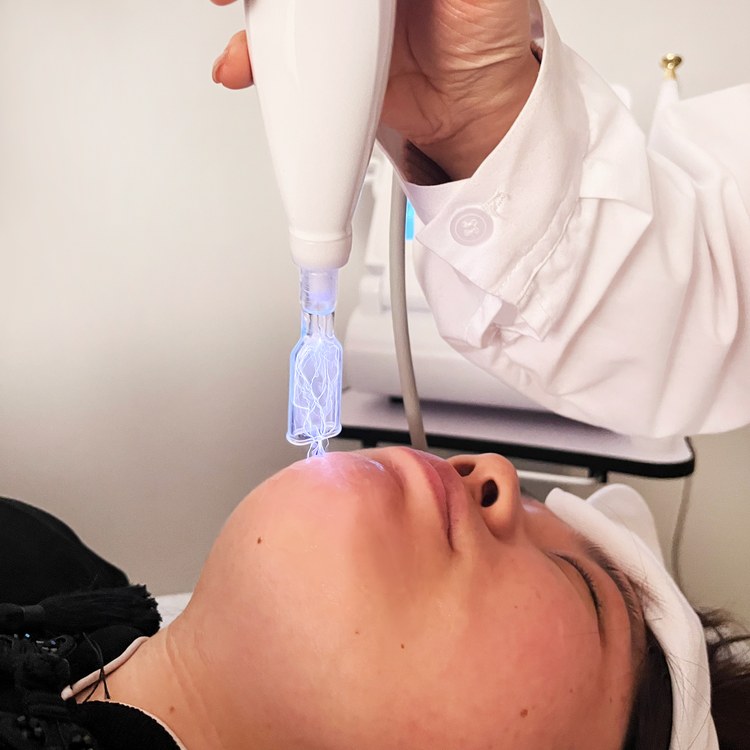
The second booking should be made at the desk, before the client reaches the door, while the result is still visible in their mind.
Offer two specific times rather than an open question. "Thursday at four or Saturday at eleven" converts better than "when would suit you".
If they hesitate, hold the slot for a week without payment and send one reminder. A held slot creates a decision; an open invitation creates a delay.
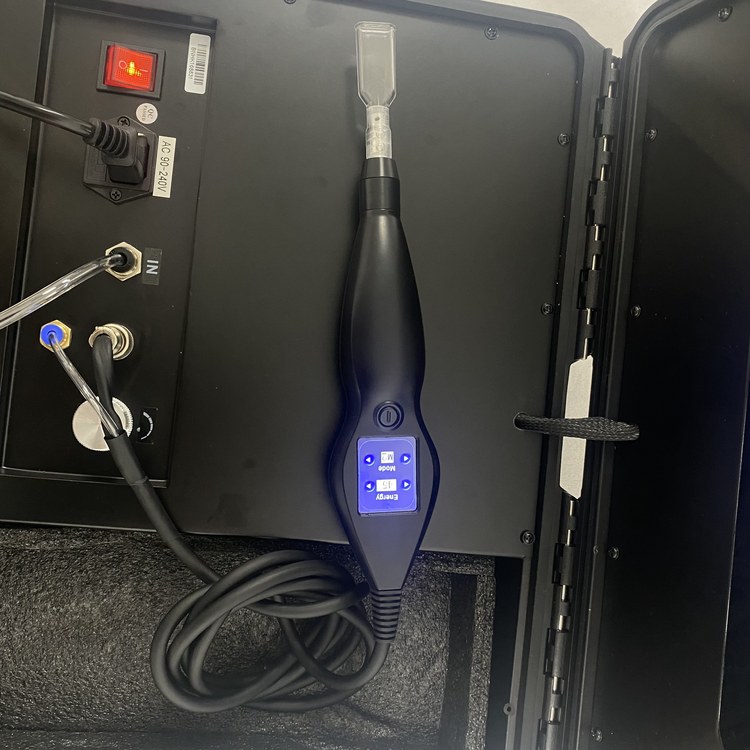
Discounting a course trains clients to wait for the next sale. Better to price the course as a defined product with a clear content: four sessions, one review, and aftercare included.
Keep the single-session price visible next to the course price. The course then reads as value rather than as a markdown.
If you offer a payment split, state the terms on the plan sheet and keep a signed copy. Verbal arrangements are where disputes begin.
Two messages do most of the work: one at day three to check comfort, one at day fourteen to review the change. Both should be short and specific.
Ask a question rather than announcing an offer. "How is the tightness today?" gets a reply; a promotional paragraph gets archived.
| When | Message | Purpose |
|---|---|---|
| Same evening | Aftercare reminder, no selling | Prevents avoidable reactions |
| Day three | Comfort check with one question | Catches problems early |
| Day fourteen | Review the change, offer two times | Converts the second visit |
| Day thirty | One line, no offer | Keeps the door open |
Not every client should rebook. If the response after two sessions is flat, or the client's expectations do not match what the treatment does, more sessions will not fix it.
Say so plainly and offer an alternative in your menu. A client who is told the truth about fit is more likely to return for something else than one who buys a course that disappoints.
The same applies to clients who cannot follow aftercare. Progress depends on sun protection and on leaving the skin alone, and no protocol compensates for neither.
Count three numbers each month: first visits, second visits, and courses completed. Anything else is commentary.
The ratio of second to first visits is the number that matters most. If it falls below your baseline, the problem is usually the endpoint conversation rather than the price.
Review one lost course a month with the therapist involved. Ask what the client said when they declined, and write it down. Patterns appear after four or five of these conversations.
Equipment reliability feeds into this too: machines we supply carry a 24-month warranty, so a broken unit does not become a cancelled course.
If you change only one habit, change the mirror. Hand it over after the explanation, not before, and always with the next date already offered.
Clinics that adopt this report more second visits without any discount and without extra marketing spend. The treatment did not change; the conversation did.
Our team can share the plan sheet layout used in the clinics we supply on WhatsApp at +1 (213) 824-3777 or by email at honkayplasma@gmail.com.
Three to four for most facial goals, spaced four weeks apart, with a review after the second.
A held slot with a reminder works better than a deposit for most clinics. Test both and compare no-shows.
Explain the interval, then offer two specific times. Fading is the reason for a course, not a reason to discount.
Rarely as a habit. Define course content instead so the value is visible without cutting the price.
The same evening, and it should be aftercare only with no selling.
Explain that energy is not the same as result, and that a course produces a steadier change.
The ratio of second visits to first visits. It responds quickly to changes in the endpoint conversation.
If you are setting up a cold plasma course for the first time, tell us your session length and your market. We can suggest a structure that fits both without overpromising.
Clinic owners planning a launch can reach our team on WhatsApp at +1 (213) 824-3777, or by email at honkayplasma@gmail.com.




 English
 中文
 Español