Most cold plasma training happens on the face. Then a regular client asks for her hands, and the therapist discovers that everything learned on a cheek transfers only partly.
Body skin is thicker in some places, thinner in others, and far less used to being treated. Access, positioning and aftercare all change, and the booking takes longer than the face did.
This guide covers the four areas clinics add most often, and the practical differences that decide whether the treatment feels considered or improvised.
Facial skin turns over quickly and is used to actives and devices. Forearm skin is thicker and less vascular, while décolleté skin is thin and permanently sun-exposed.
That spread means one setting does not travel well. A pass that produces a soft flush on the cheek may produce almost nothing on the forearm, and too much on the chest.
Start every new area at the low end and add passes rather than power. Then write down what you used, because the next visit should not repeat the experiment.
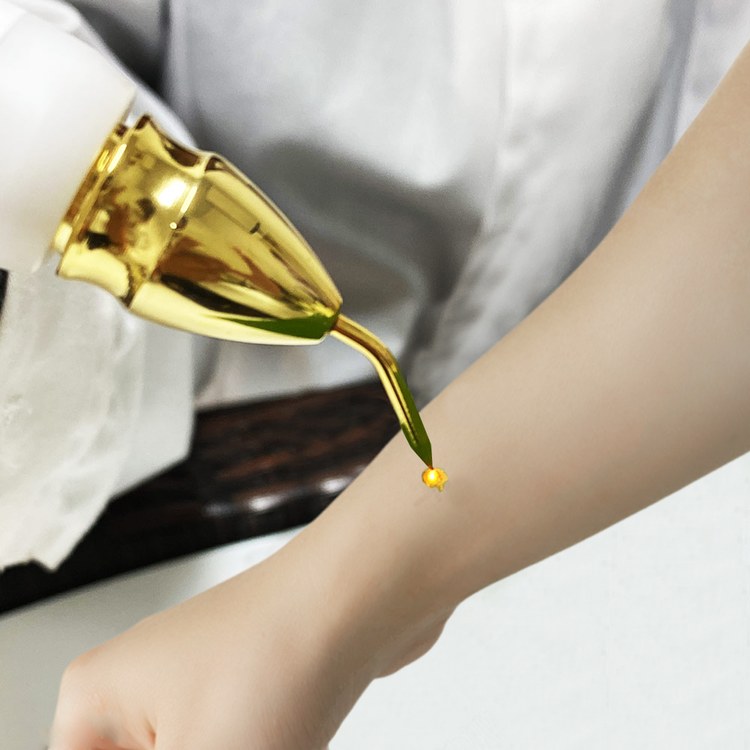
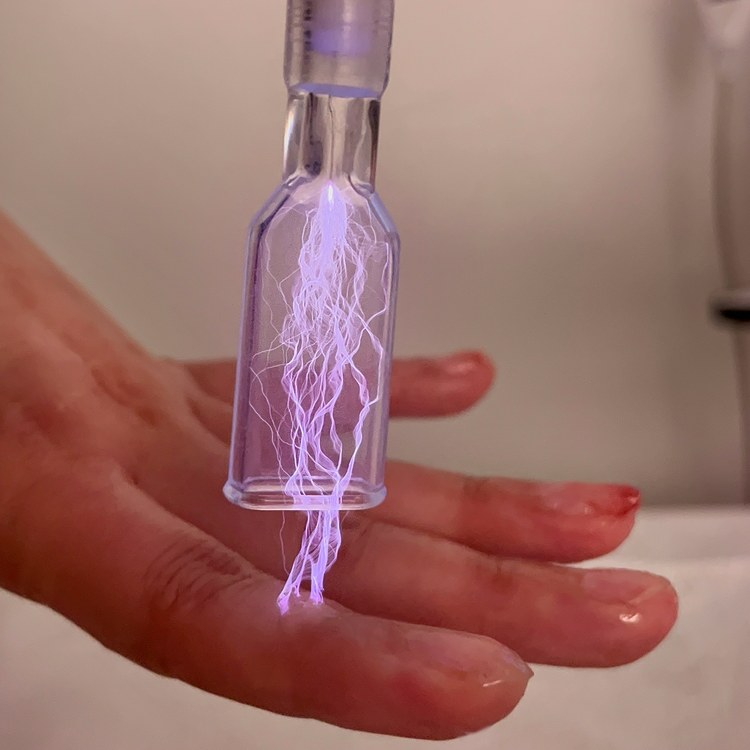
Hands age visibly and are treated often, which makes them a natural extension of a facial booking. They are also easy to over-treat, because the skin is thin over tendons and veins.
Work in small zones: the back of the hand, then each finger, then the wrist. Keep the tip moving along the tendon lines rather than across them.
Expect a longer session than the area suggests. Hands are fiddly, and rushing them produces patchy results that are hard to explain.
The chest is the area most likely to surprise a therapist. It is thin, it has been exposed to sun for decades, and it reacts faster than the face at the same setting.
Drop one energy step and reduce the number of passes. Watch for a response at the upper chest before continuing towards the sternum.
Ask about necklines and sun habits before booking. A client who wears a low neckline daily needs a firmer aftercare instruction than one who does not.
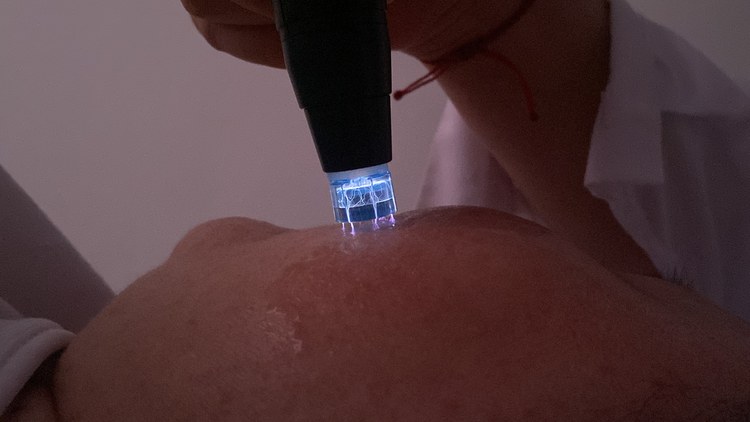
Back treatments are less about technique and more about logistics. A client lying prone cannot see what you are doing, and a therapist leaning over a couch loses control of hover height.
Raise the bed, work from the side rather than the head, and keep one hand stabilising the skin. Divide the back into four quadrants and finish one before starting the next.
Ask about backless clothing and sleeping position. Friction from a strap or a mattress in the first night matters more than most therapists expect.
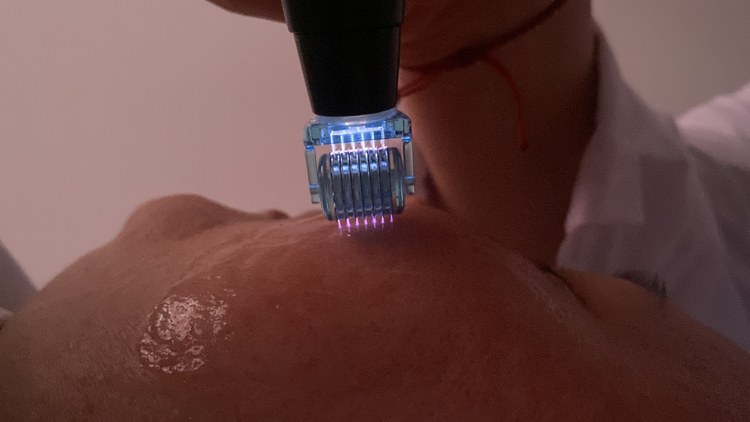
Joints are the opposite problem: thick, folded skin that shows very little response at facial settings, tempts the therapist into raising energy.
Increase passes slowly and keep the tip off the crease itself, where the skin folds and contact becomes likely. Work the surrounding area first.
Where skin is lax, treat a wider zone rather than a hotter spot. Widening the area gives a more even result than concentrating energy in one place.
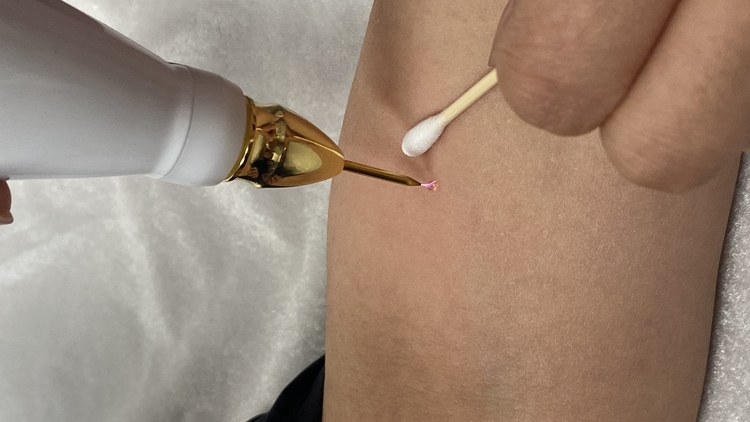
Body work takes longer and consumes more probe life, so pricing it like a facial usually loses money. The table below is a starting point clinics can adapt to their own market.
| Area | Time on couch | Pricing note |
|---|---|---|
| Both hands | 20 to 30 minutes | Often added to a facial as an upgrade |
| Décolleté | 20 to 25 minutes | Price as its own area, not an add-on |
| Upper back | 35 to 45 minutes | Charge by zone, not by session |
| Knees or elbows | 15 to 20 minutes | Pair with a course rather than single visits |
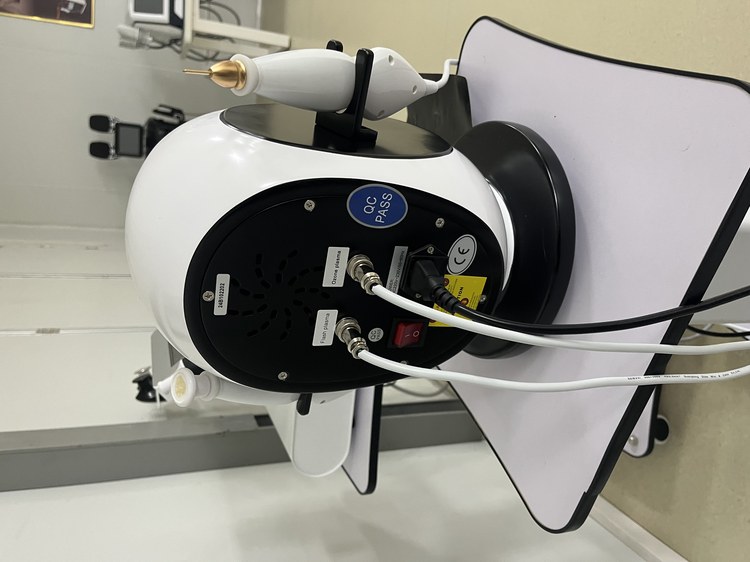
Body areas bring a wider range of skin histories: scars, tattoos, previous surgery, sun damage. Read the area before you switch the device on.
For a first visit on any new area, treat a small test zone and stop. Review it at the next booking before covering the full area.
Record the zone, the setting, the number of passes and the client's report. Body records are worth more than facial records, because the variables change more.
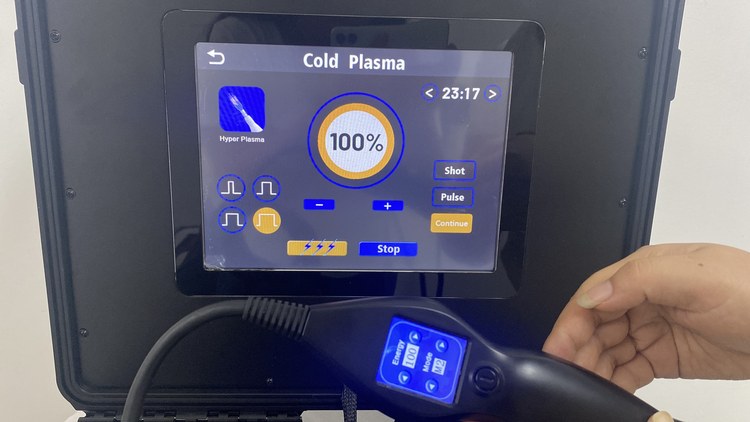
Clients often ask for "the same as my face" on a body area. Explain that the area, not the device, decides the setting, and that more energy is not more result.
Offer a course instead of a stronger single session. Three visits spaced four to six weeks apart produce a steadier change than one intense appointment.
If a client wants a faster visible change on a body area, be honest that cold plasma works gradually on texture and tone. Then show the before-and-after pair from visit one.
Machines supplied by us carry a 24-month warranty with a documented probe service life, which helps when body work raises your probe turnover.
Yes. Use a lower setting and work in small zones, keeping the tip moving along the tendon lines.
Usually yes. The skin is thinner and sun-exposed, so reduce energy and passes on a first visit.
On the side or front if possible, in loose cotton, and away from tight straps for the first night.
Often two to four, spaced four to six weeks apart, depending on the area and the response seen at visit one.
Better to treat around it. Pigment and scarring history both change how the area responds.
Per zone. It reflects the time each area takes and stops large areas from being undercharged.
Friction and clothing matter more. Advise loose clothing over the treated area for the first day.
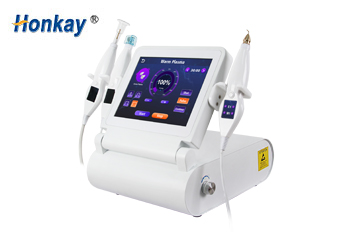
If you are adding hands, chest or back to an existing facial menu, tell us which areas and how many bookings a week. We can suggest the handpiece mix that keeps changeover time low.
Clinics planning a body menu can reach our team on WhatsApp at +1 (213) 824-3777, or by email at honkayplasma@gmail.com.




 English
 中文
 Español