Cold plasma behaves the same way on every skin tone. What changes is what you can see while you work, and how much margin you leave for error.
On lighter skin the endpoint announces itself with a pink flush that fades in twenty minutes. On deeper skin it is a subtle tightening, easy to miss under clinic lighting.
The therapist who misses it keeps going, and the client returns a week later with more pigment than they started with. This guide covers the adjustments that prevent that.
Melanin absorbs light across the visible spectrum, so a flush that reads as red on Fitzpatrick II reads as deep rose or nothing at all on Fitzpatrick IV and V.
That does not mean cold plasma is unsuitable. It means your endpoint has to be judged by texture and by the client's own report, with colour as a secondary signal.
Set expectations in the consultation: the visible change during the session will be smaller than the change a fair-skinned friend described. That single sentence prevents most disappointment later.
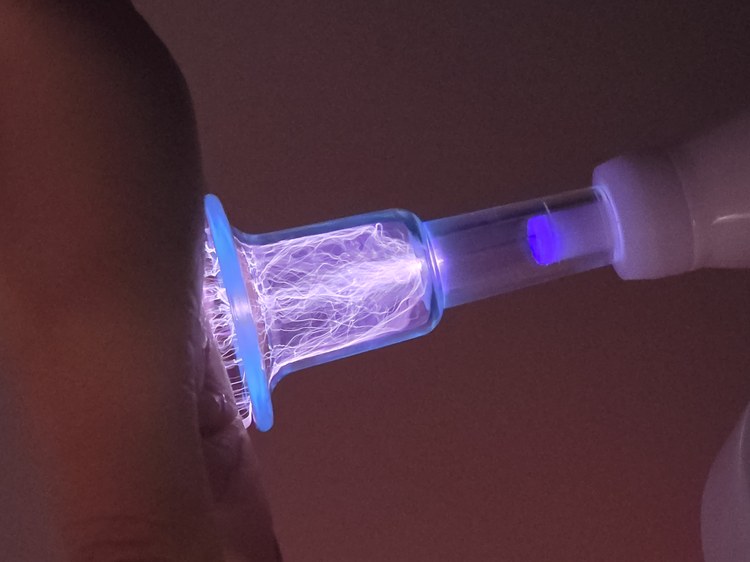
Use three signals together. First, the surface should feel slightly tighter under a gloved fingertip, not hot.
Second, the fine lines over the cheekbone should look marginally softer under raking light. Third, the client should describe warmth rather than sting.
Stop at the first two. A client who reports stinging is already past the comfortable range, and continuing adds risk without adding result.
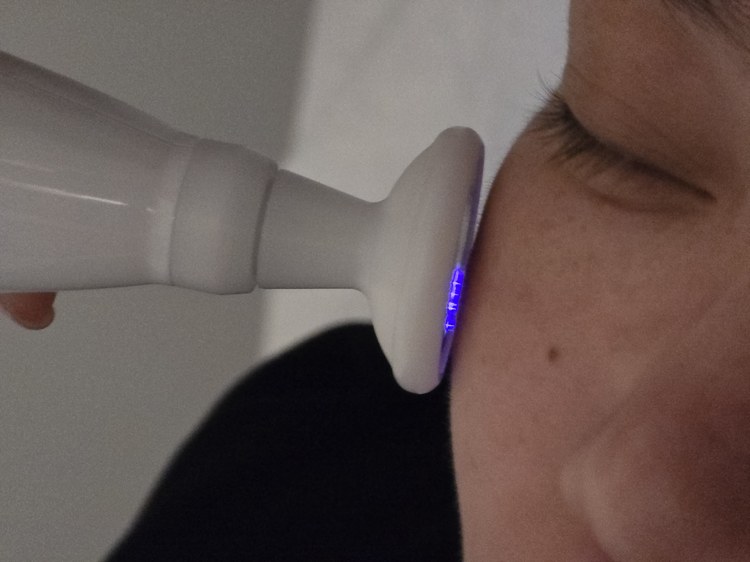
The instinct when results look subtle is to raise energy. That is the wrong lever on deeper skin, because higher energy widens the thermal margin without improving the visible endpoint.
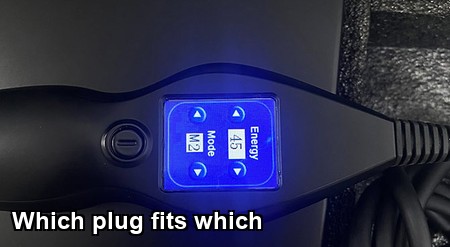
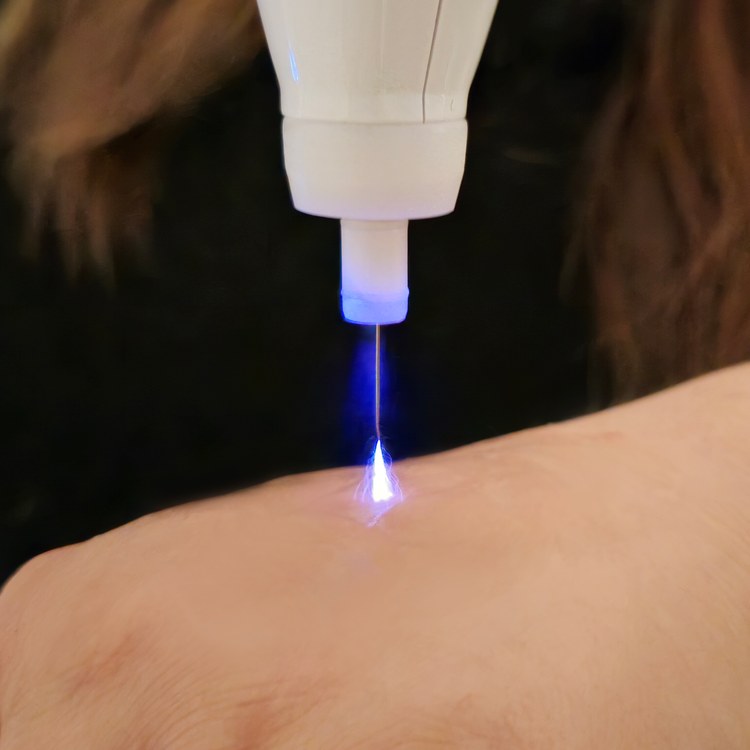
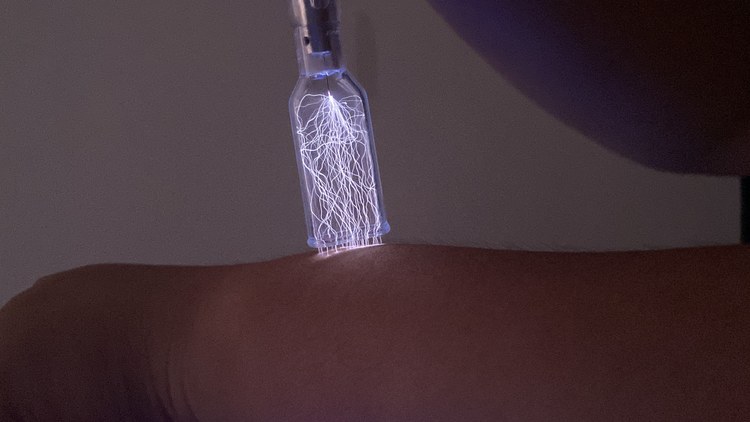
Keep energy at the lower end of your usual range and increase the number of gentle passes instead. Speed stays steady, distance stays constant, and the total energy delivered per square centimetre stays modest.
| Variable | Adjustment on deeper skin | Reason |
|---|---|---|
| Energy | Start one step below your usual setting | Keeps the thermal margin wide |
| Passes | Add one pass rather than more power | Spreads heat over time |
| Distance | Hold the standard hover, do not close the gap | Prevents filament contact |
| Interval | Space the first two sessions further apart | Leaves room to observe pigment |
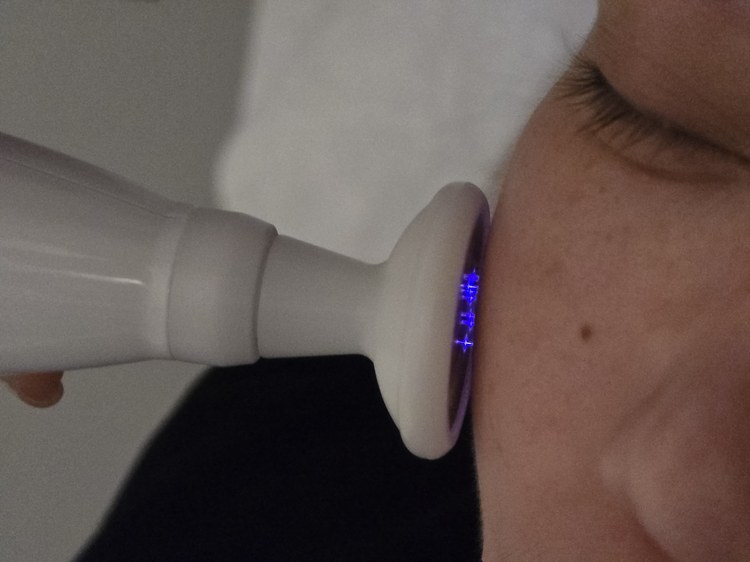
Any controlled injury can leave pigment on deeper skin, and cold plasma is no exception. The practical variable is how much heat the surface receives in one pass.
Keep the tip moving, never hold it over one spot to "finish" an area, and avoid stacking passes on a region that already looks reactive.
Aftercare does the rest: gentle cleansing, daily broad-spectrum sun protection, no acids or retinoids for the first week, and no picking at any flaking.
Photograph the client under the same light at every visit. Pigment changes that look alarming in a phone photo taken in a different room often turn out to be nothing.
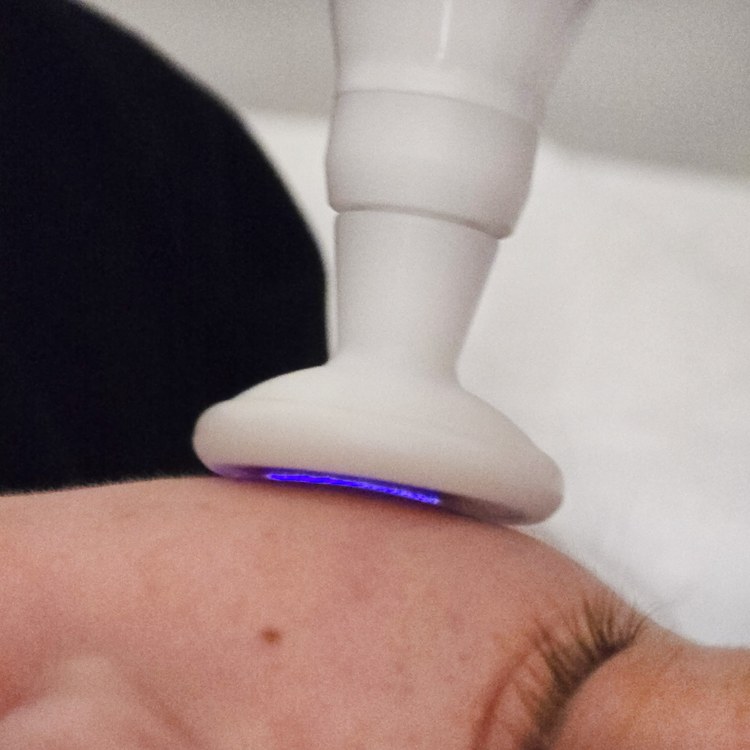
Clinic lighting flatters everything. A warm downlight hides redness and deepens shadow, which makes a fair result look better and a subtle result look absent.
Use one consistent setup: the same lamp, the same distance, the same angle, and the same camera settings. Consistency matters more than quality.
Store before-and-after pairs side by side in the client record with the date. When a client questions progress, the pair answers faster than any explanation.
Consent for deeper skin needs two extra sentences: that pigment change is possible, and that it usually settles but can take weeks.
Say it once in the consultation and once before the first pass. Clients remember what they hear twice, and a client who was warned is a client who calls instead of posting.
Record the client's own words about previous reactions to waxing, lasers or peels. A history of pigment after hair removal is the single most useful predictor you have.
Refer rather than treat when the client is actively using strong retinoids, has recent sun exposure with visible tan lines, or has a history of keloid scarring.
Refer also when the requested outcome needs a different mechanism. Cold plasma works on surface texture and fine lines; it will not remove a deep pigmented lesion or resurface a scar.
Being clear about that early protects the relationship. Clients who are referred well come back for what you do offer.
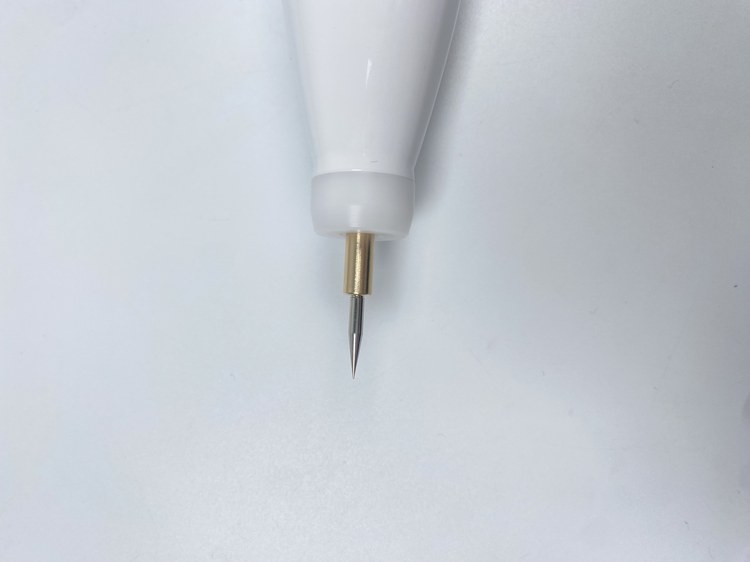
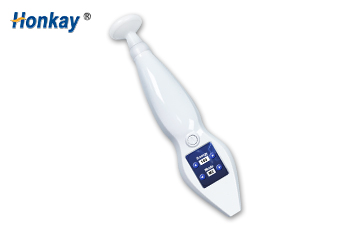
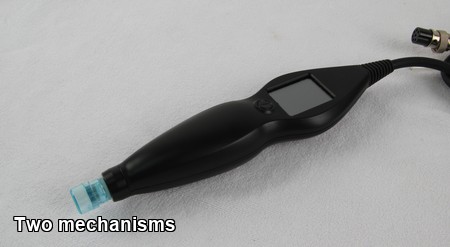
If you are unsure which head suits low-energy work on deeper skin, our team can compare probe sizes on WhatsApp at +1 (213) 824-3777 or by email at honkayplasma@gmail.com.
It can be used, with lower energy and more conservative endpoints. Assess each client individually and check local scope-of-practice rules.
No. It works on surface texture and fine lines. Any lightening claim should be treated with suspicion.
Judge by fingertip tightness, softening of fine lines under raking light, and the client's description of warmth.
Often several weeks to a few months. Daily sun protection is the main lever during that time.
Space the first two sessions slightly further apart so you can observe pigment before adding another round.
Separate them. Two pigment-triggering treatments in the same week narrow your margin for no benefit.
Gentle cleanser, moisturiser, broad-spectrum sun protection, and no acids or retinoids for about a week.
If your client base includes deeper skin tones, tell us the areas you treat most and the energy range you use now. We can suggest a probe and setting combination that leaves more margin.
Units we supply carry a 24-month warranty and a documented probe service life, so replacement timing stays predictable.
Clinics planning this service can reach our team on WhatsApp at +1 (213) 824-3777, or by email at honkayplasma@gmail.com.




 English
 中文
 Español