Most clinics train cold plasma the same way: one experienced therapist, one afternoon, one nervous junior watching from a stool. Two weeks later the junior is booked alone and the results start to drift.
Cold plasma is not difficult to learn, but it is easy to learn badly. The handpiece gives no audible feedback, the endpoint is visual, and small changes in distance matter more than the dial.
That makes it a skill problem rather than a knowledge problem, and skills need repetitions with feedback.
This is the four-week ladder we suggest to clinics buying their first or second machine. It assumes one trainer who already treats clients daily, and one to three trainees.
Shadowing also hides the decisions. The trainer changes distance without saying why, swaps a probe without comment, and stops early when the skin reaches its endpoint.
Replace passive observation with short spoken repetitions. Narrate each decision out loud, then ask the trainee to narrate it back with the handpiece in hand.
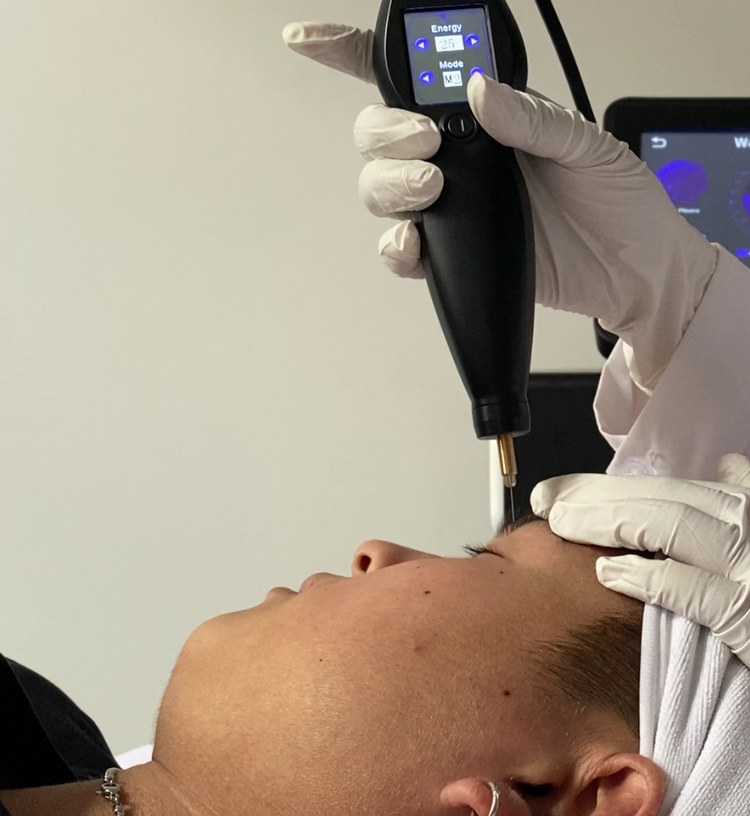
Week one is not about skin. It is about the tool. A trainee who grips the handpiece like a pen will drag the tip; a trainee who grips it like a brush will hover.
Use a pencil grip with the wrist supported and the elbow low. The tip should hover, never rest, and the whole hand should move from the shoulder rather than the fingers.
Then let the trainee watch the discharge on a gloved forearm for ten minutes. They should name a stable corona, a filament and an arc correctly before they touch a client.
Finish each day with the same drill: five minutes of hovering at a fixed height, five minutes of steady sweeping, five minutes of stopping on command.
Week two introduces the dial, and the first rule is that the dial is the last thing to change. Distance, angle and speed do most of the work; energy only sets the ceiling.
Have the trainee treat a training arm at three fixed settings and describe the discharge each time. Then keep the setting and change only the distance.
Most trainees are surprised by how much two millimetres does. Endpoint comes next: a faint uniform flush on the cheek, a firmer response on the fold, nothing on the eyelid margin.
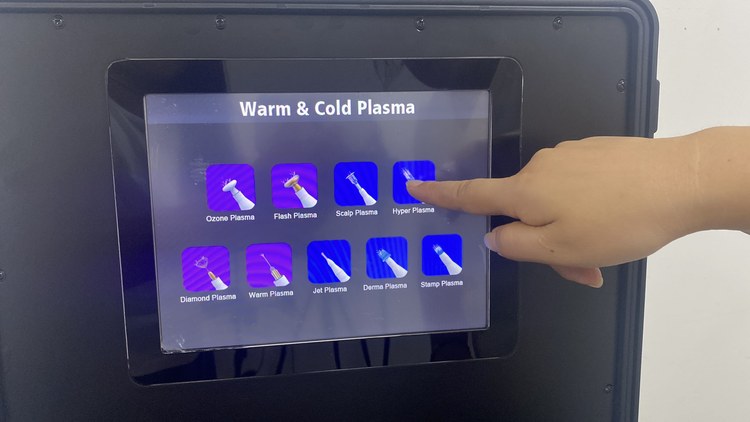
Week three is the first contact with real skin, on the trainer's own client and under a clear arrangement. The trainee does the passes; the trainer keeps the authority to stop.
Book lighter cases first. A maintenance facial on a regular client is a better teaching case than a first-time consultation with high expectations.
Keep the trainee to one region per session for the first three clients, then two, then a full face. Expanding too early produces scattered, inconsistent work that is hard to correct later.
Debrief for five minutes after every model. Ask three questions: what did the discharge tell you, what would you change, and what did the client say about sensation.
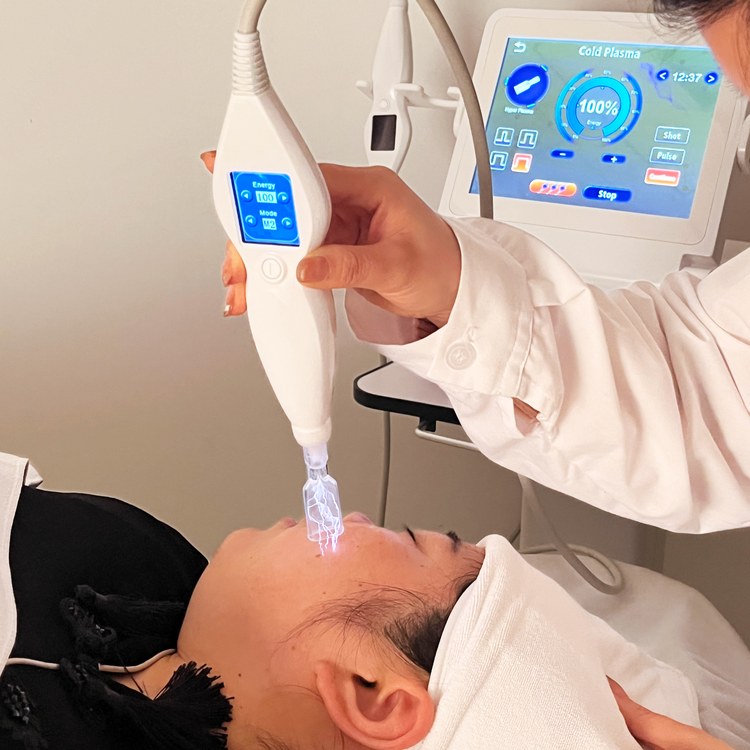
Week four moves upstream. The trainee runs the consultation, sets expectations, takes consent, treats, and writes the record without prompting.
Records matter more than most clinics admit. The next therapist needs to know the area treated, the setting used, the endpoint reached, and anything the client reported. Without that, every visit restarts from zero.
Ask the trainee to write the record as if a colleague they have never met will treat the client next month. Then read it back and mark anything that would force a question.
By the end of week four the trainee should be able to complete a straightforward facial with the trainer out of the room for the last ten minutes.
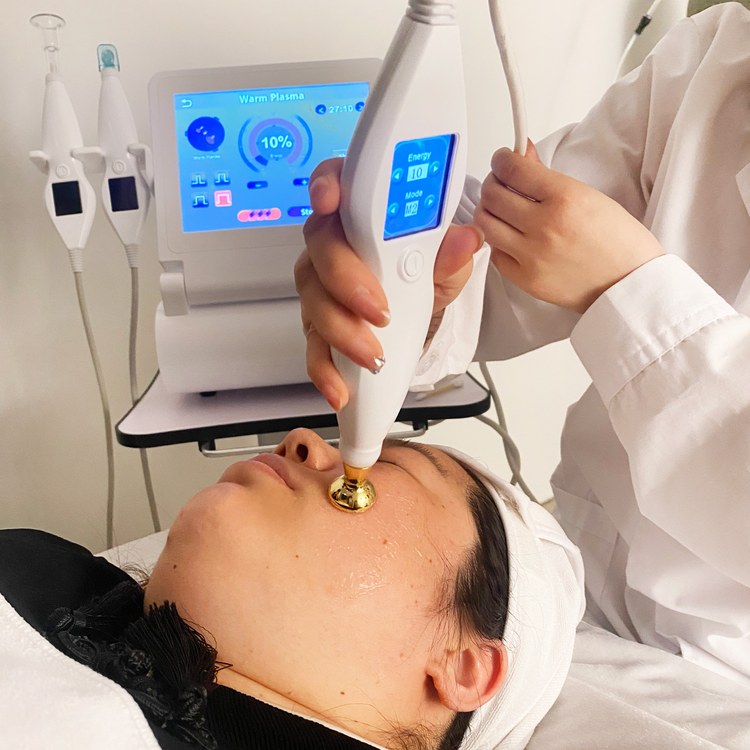
Sign-off should be observable, not a feeling. The table below is the version we see clinics actually use, because each line can be watched in under five minutes.
| Competence | What the assessor watches for | Pass |
|---|---|---|
| Handpiece control | Hover height stays even across a full cheek | No contact, no drag |
| Discharge reading | Names corona, filament and arc correctly | Three of three |
| Endpoint judgement | Stops at the agreed flush, not beyond | Two areas, unaided |
| Record quality | Setting, area, endpoint and comments written | No follow-up question |
| Aftercare advice | Gives the four standard instructions without notes | Complete, no prompts |
Keep the sheet in the staff file and review it at three months. Skills that are not used weekly fade faster than clinics expect.
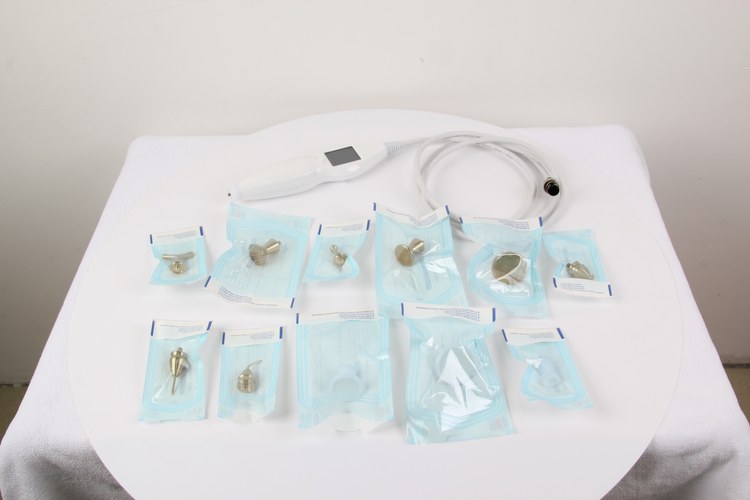
Training consumes probes. A trainee who hovers too close will oxidise a tip within a week, and a clinic that starts with two spare probes will be reordering before the ladder finishes.
Budget one probe per trainee per fortnight for the first two months, and keep a known-good probe aside for demonstrations so a comparison is always available.
Machines supplied through us ship with a 24-month warranty and a documented probe service life, which makes the consumable cost predictable rather than surprising.
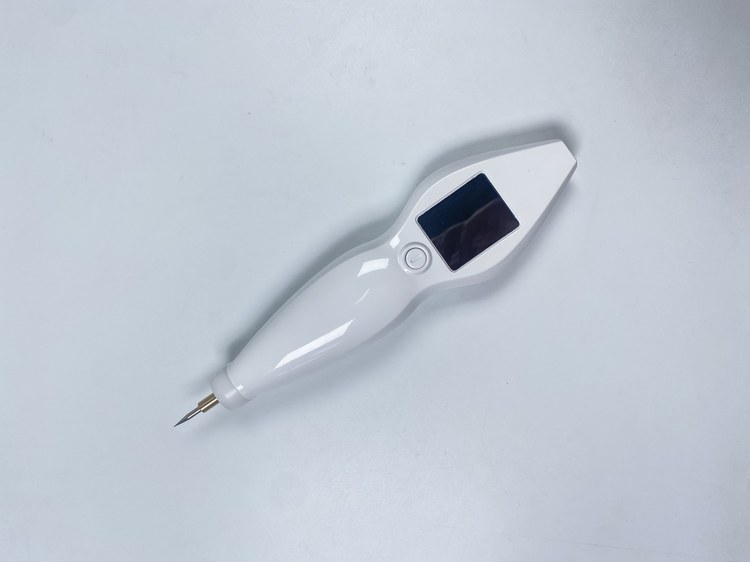
Plateaus usually come from one of three places: the trainee is treating the same area repeatedly, they are working too fast under booking pressure, or nobody has watched them for a month.
Change the variable first. Move them to a different area, a different skin type, or a different device format for a week and watch whether the plateau follows the person or the task.
Second, watch a full session without speaking. Most drift happens in the two minutes a trainer normally interrupts.
Third, set one measurable target for the next fortnight, such as holding hover height through a whole cheek without a correction. Vague encouragement does not move a plateau.
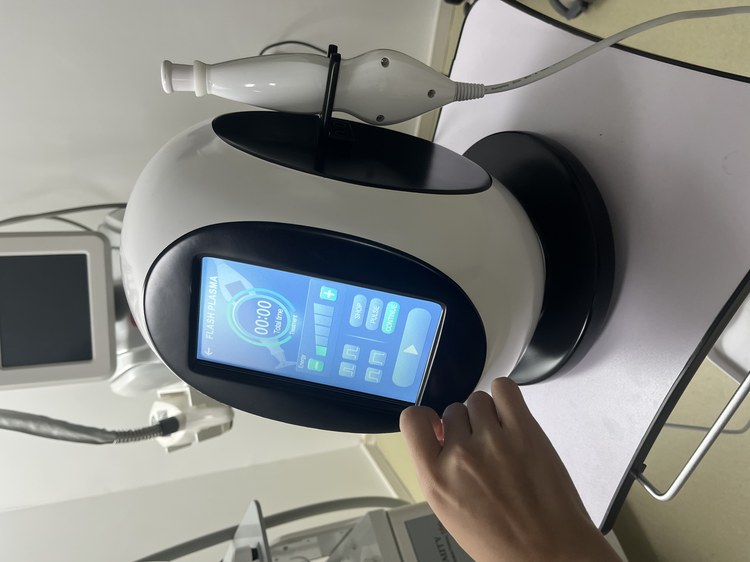
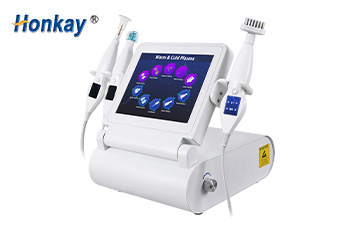
Clinics ordering for a team often ask which format to buy first. If two therapists train at once, one unit per pair beats a shared unit, because waiting time is where drills die.
Our team can talk through the numbers on WhatsApp at +1 (213) 824-3777 or by email at honkayplasma@gmail.com.
Four weeks of structured practice suits most clinics, with the first solo bookings limited to straightforward maintenance facials.
Requirements vary by country and region. Check your local rules before booking training, and keep certificates on file.
Two is comfortable, three works if the third spends part of each session on drills rather than on a model.
Two spares beyond daily use, plus one known-good probe reserved for demonstrations.
Yes, on forearms and hands first. It builds the feel for hover height without any risk of overtreating a face.
Teaching the dial before teaching distance. Energy becomes the answer to every problem and the trainee stops reading the discharge.
Every three months, and after any long absence. A short observed session is enough to catch drift.
If you are training two or more therapists, tell us your room count and expected weekly treatments. We can suggest a machine mix and a probe buffer that matches the ladder above.
Buyers planning a team rollout can reach our team on WhatsApp at +1 (213) 824-3777, or by email at honkayplasma@gmail.com.




 English
 中文
 Español