Scars and stretch marks are the enquiries most likely to end badly. Clients arrive with a photo of a decade-old mark and expect it to disappear. A clinic that accepts that expectation buys itself a complaint.
Cold plasma can help with several kinds of mark. It helps most when the mark is still active, the client understands a course rather than a session, and the clinic quotes honestly.
A scar is organised tissue laid down after injury. A stretch mark is a dermal tear where skin stretched faster than it could rebuild. Both change texture, in different ways.
That difference drives everything else: how many sessions to quote, how much energy the area will take, and whether the client will see a change in colour or only in texture.
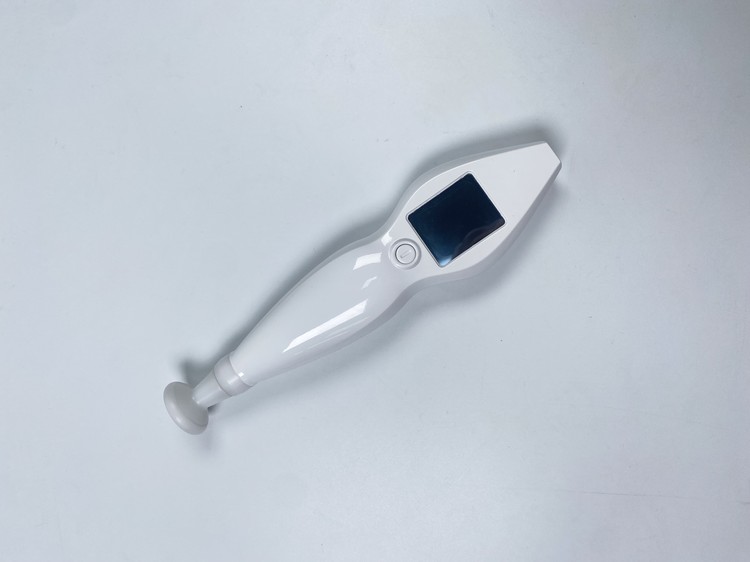
Sort the enquiry before you book it. The table below is the filter most clinics settle on after a year of treating.
| Mark type | What to expect | Usual course |
|---|---|---|
| Red or pink stretch marks | Most responsive, colour and texture both improve | 4 to 6 sessions |
| White stretch marks | Texture softens, colour change is limited | 6 or more sessions |
| Raised hypertrophic scar | Flattening over time, needs patience | 5 to 8 sessions |
| Keloid or active infection | Not suitable, refer on | Do not treat |
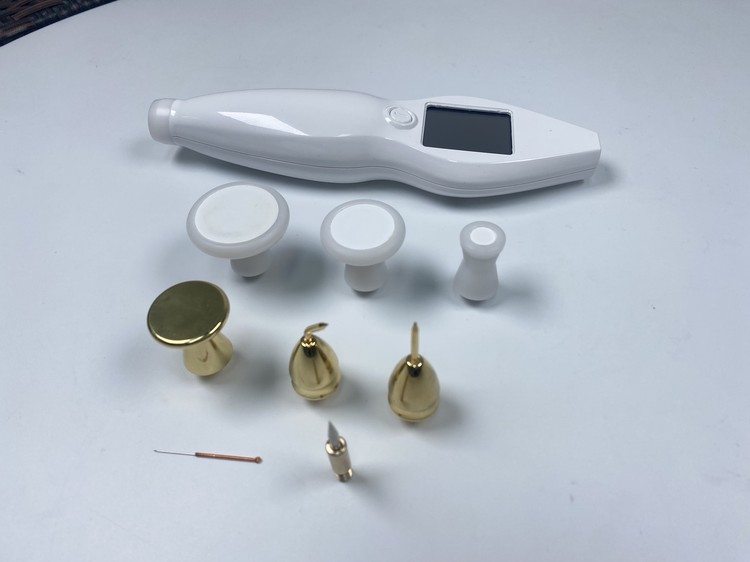


Look at colour, height and age together. A mark that is still pink and slightly raised is still remodelling, which means the tissue is responsive. A flat white mark has finished remodelling and will move slowly.
Measure the longest axis and photograph it against a ruler. Clients remember a mark as bigger than it is, and a measured photo settles most later disputes.
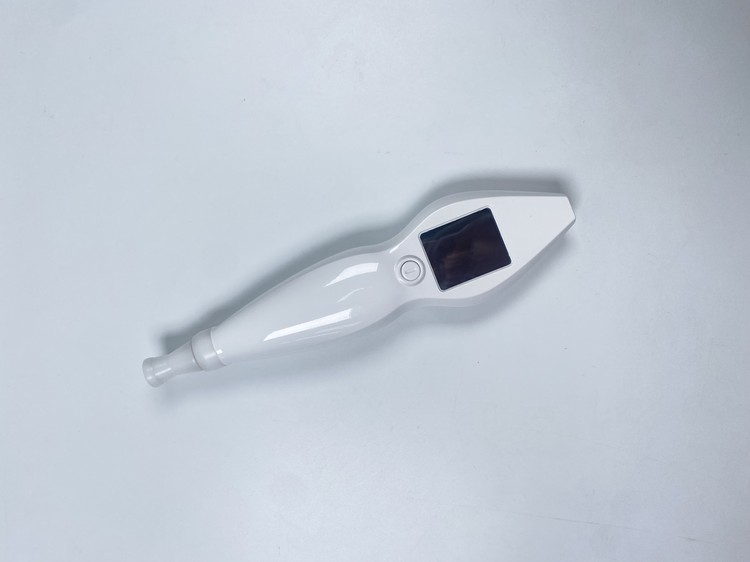
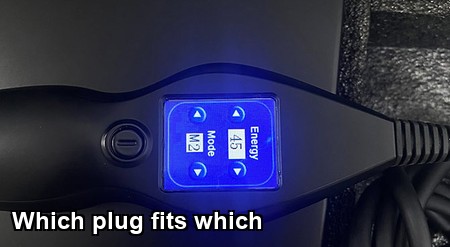
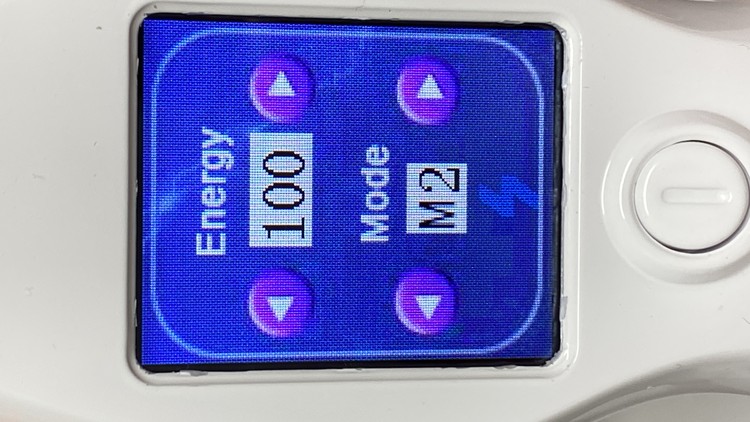
Body skin tolerates more than the face, but scar tissue conducts energy differently from healthy skin. Start lower than the surrounding area and check the response after the first pass.
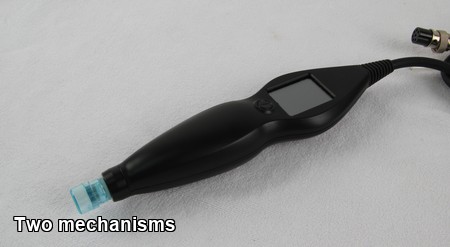
Use a probe small enough to stay inside the mark. Overlapping onto healthy skin adds reaction without adding result, and it is the usual cause of a patchy finish.
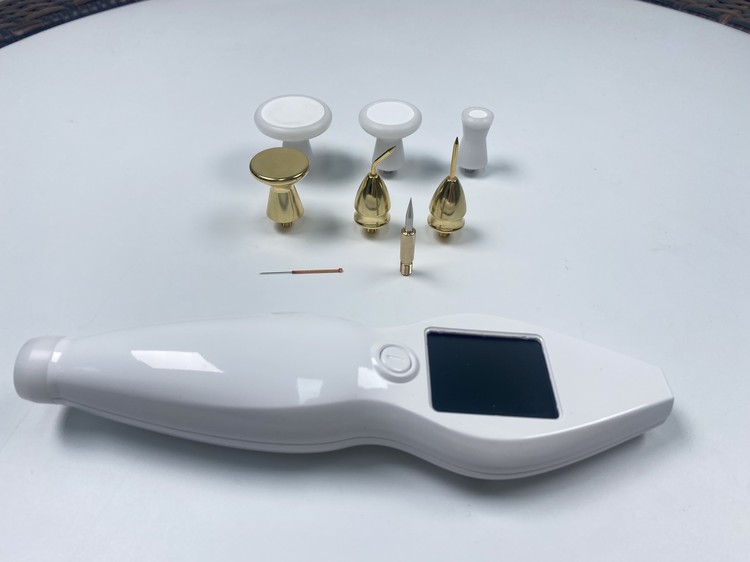
Clinics planning a scar menu can ask our team for a probe chart and a written protocol on WhatsApp at +1 (213) 824-3777, or by email at honkayplasma@gmail.com.
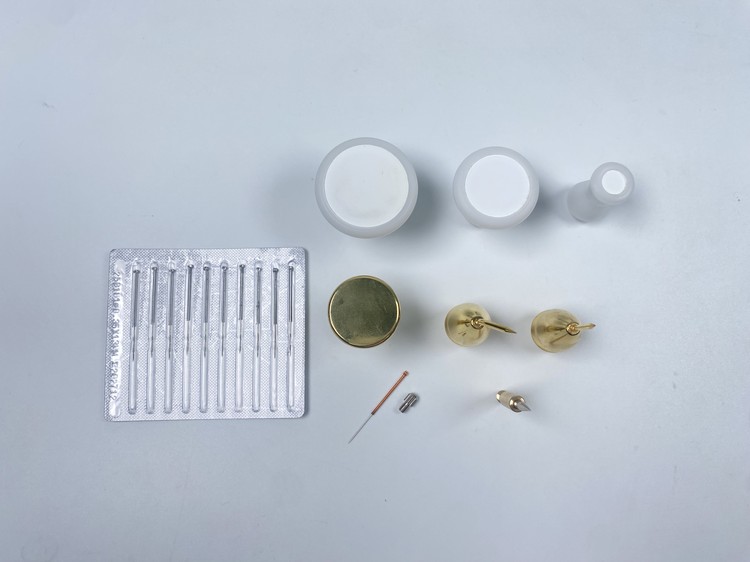
Texture usually changes before colour. Most clients notice the mark feels smoother around session three, and colour follows several weeks later if it changes at all.
Space sessions four weeks apart. Scar tissue keeps remodelling between visits, so treating too soon measures your own work rather than the client's healing.
Price a course, and say what the course covers. A per-session price invites clients to stop at visit two, which is exactly when the result has not arrived.
Write the honest limit into the quote: texture may improve, colour may not, and no course removes a scar. Clients accept that sentence at consultation and reject it after session six.
No. It can soften texture, reduce redness and flatten a raised mark. A scar that disappears entirely is not a realistic promise.
Four to six for red or pink marks, six or more for white ones. Space them four weeks apart.
No. Keloid-prone skin can react with more scar tissue, so refer those clients rather than treat them.
It can soften them, but change is slow and limited. Quote a longer course and photograph at every visit.
No scratching, no hot baths for 48 hours and daily sunscreen. Keep the area moisturised and avoid actives for a week.
Most areas are workable with the right probe. Avoid the neck, joints and areas that rub on clothing until you have treated them once.
Charge per course and include a review photo at the end. Every unit we ship carries a 24-month warranty, so a clinic's only recurring cost is probes.
Send us the mark type, the body area and how many clients you expect each month. We will reply with a probe recommendation, a starting energy range and a course structure you can quote.
Message us on WhatsApp or email honkayplasma@gmail.com and we will come back with the protocol.




 English
 中文
 Español