A plasma pen either shows a soft violet glow or a hard white filament. Most operators notice the difference and keep going. That habit is why some clients report a sting and others feel nothing.
This guide explains what the visible discharge is telling you, which changes point to the probe, and how to adjust settings without guessing.
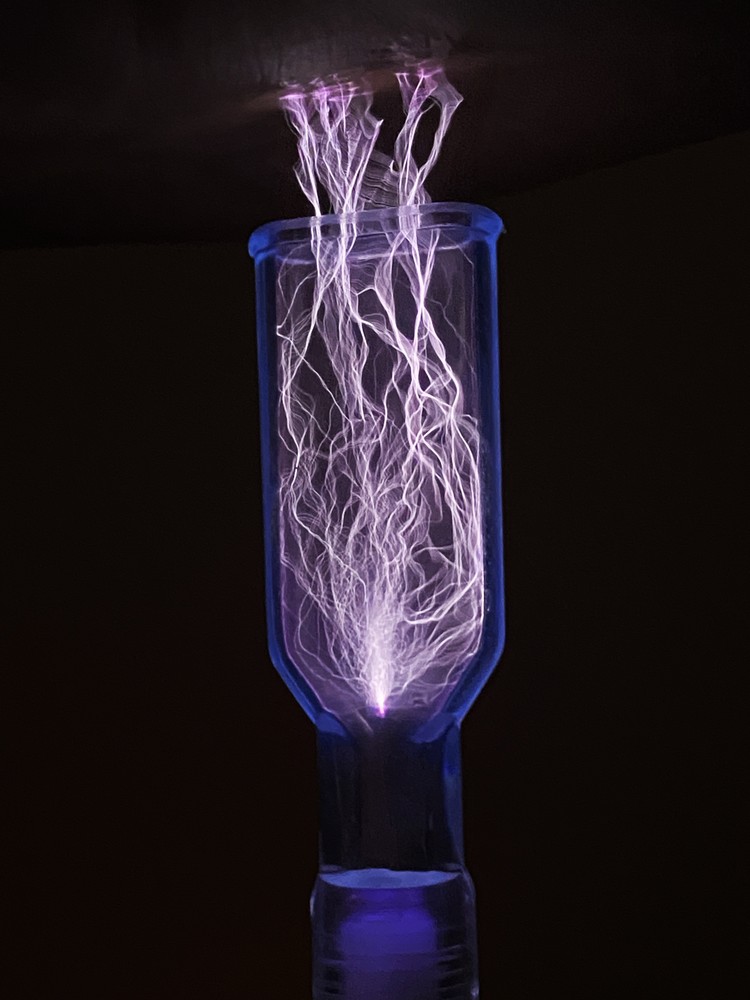
The pen charges the air at the probe tip until it breaks down and conducts. What you see is that breakdown, not a flame or a laser, repeating many times a second.
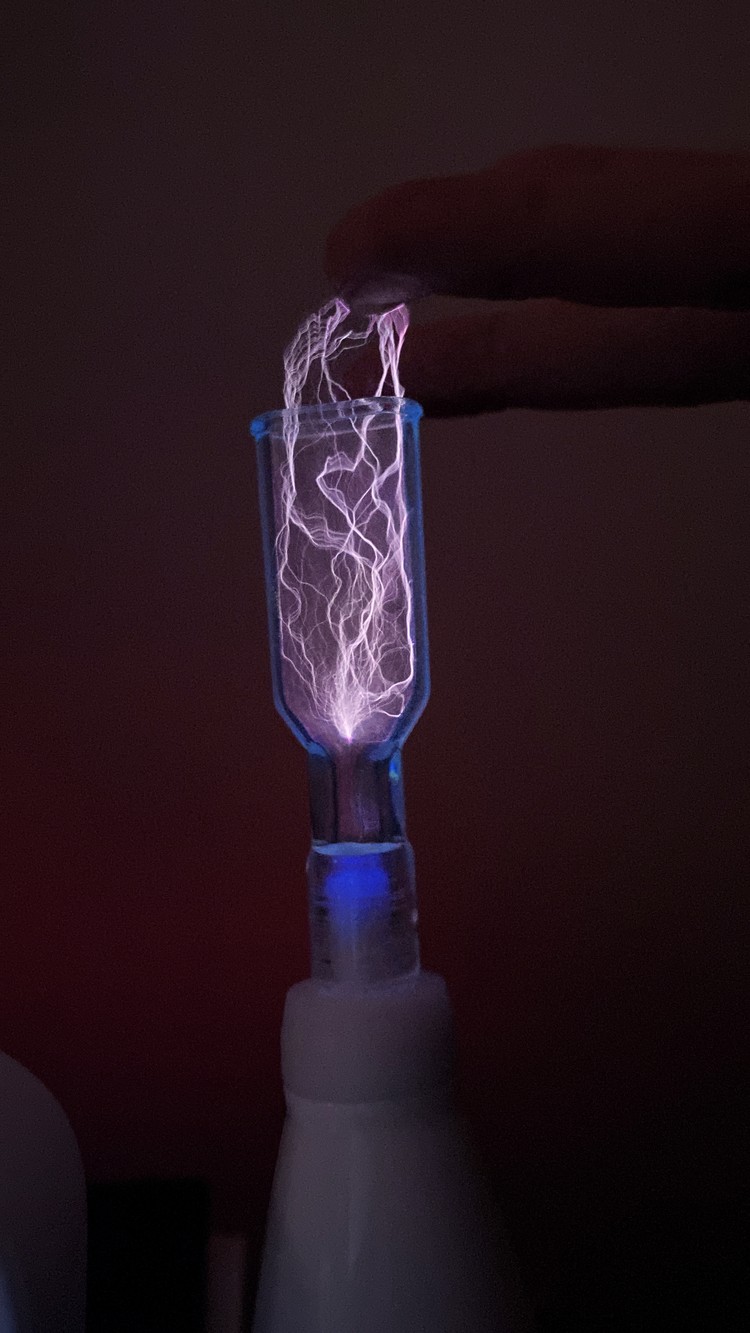
Because it depends on the air gap, humidity, skin moisture and probe condition all change it. Two clients at the same setting can look completely different, and neither is a fault.
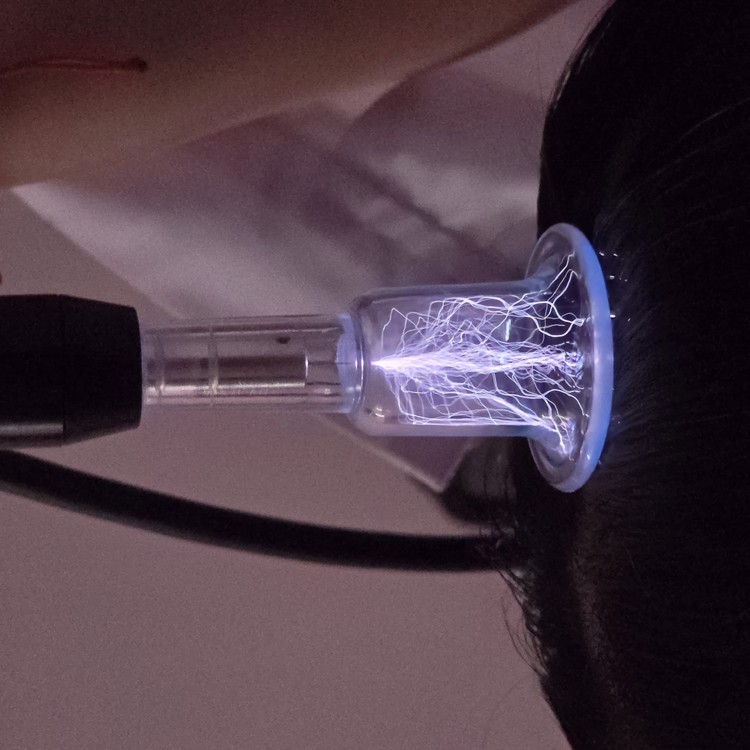
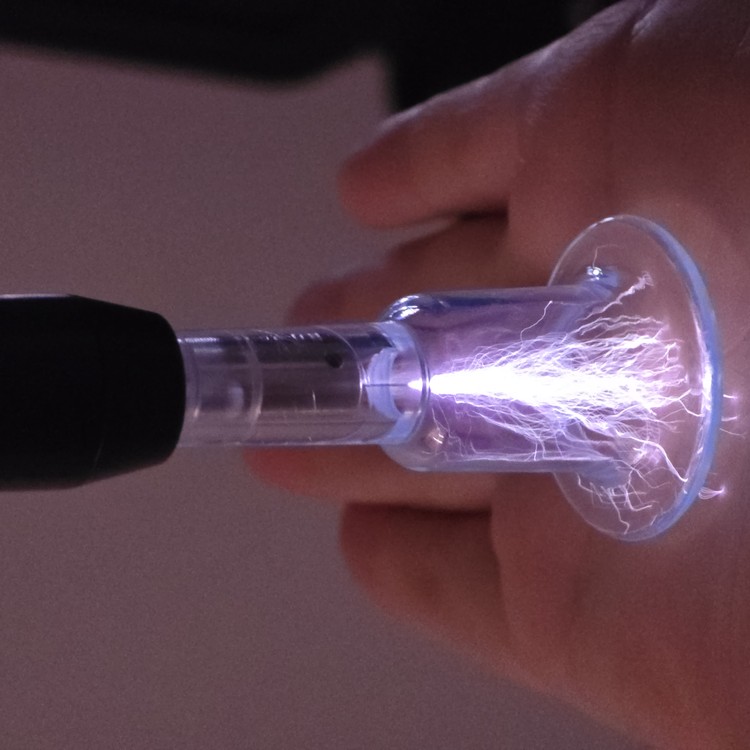
Corona is the soft violet haze that spreads from the tip. It is the normal working state for surface treatment, and it feels like a light snap.
Filament is a single bright thread that reaches for the skin and holds there. It concentrates energy into one point, which is useful for a precise target and uncomfortable on thin skin.
Arc is the hard white crack you hear before you see it. It jumps to the nearest conductor rather than following the tip, which means energy is going somewhere you did not choose.
| Factor | What you will see | What to do |
|---|---|---|
| Room humidity above 65 percent | Discharge spreads and looks weaker | Lower energy, shorten passes, dry the surface |
| Skin still damp from cleanser | Filament jumps sideways along the wet film | Wait for the skin to dry completely |
| Probe tip oxidised or blunt | Output drops and the glow turns patchy | Replace the probe before continuing |
| Client on a rich occlusive cream | Thin filaments crawl across the surface | Cleanse and degrease before starting |
None of these need a different machine. They need a different starting point and a slower first pass.
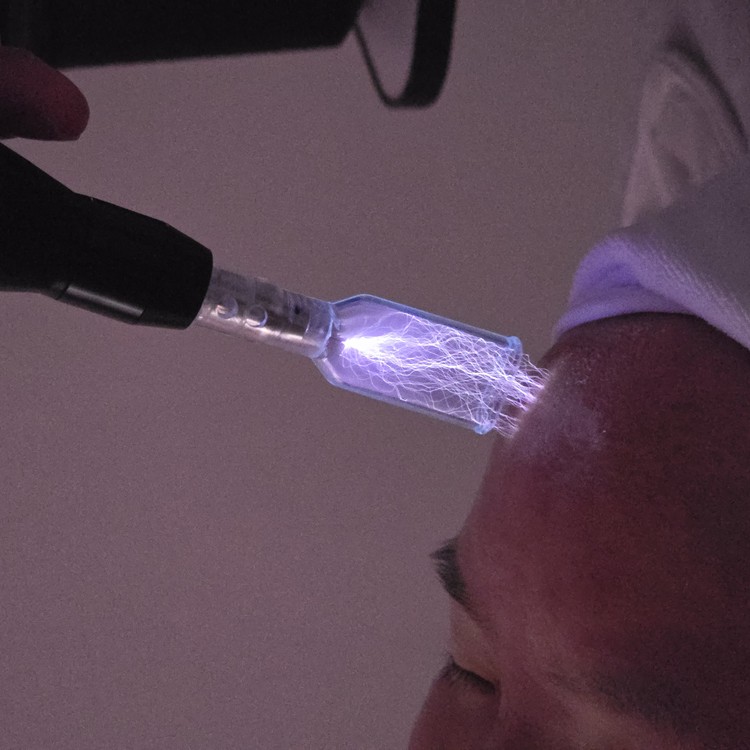
Distance decides how the discharge looks more than the energy dial does. Half a millimetre away you get a tight filament; two millimetres away it spreads into corona.
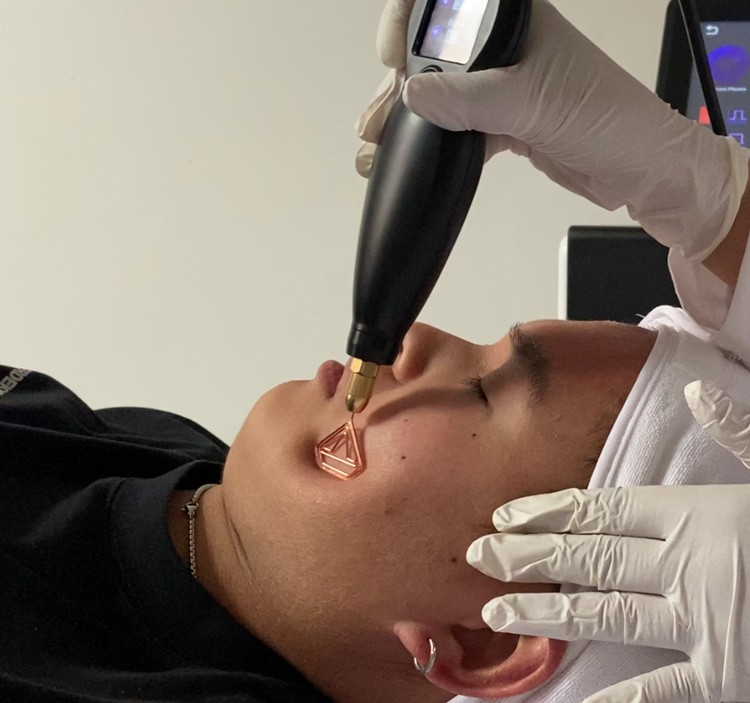
Keep the angle within about thirty degrees of perpendicular. Tilt further and the discharge climbs the side of the tip instead of reaching the skin.
Speed matters because heat accumulates. A slow pass at low energy often reads better than a fast pass at high energy, and it is easier to repeat on the next visit.
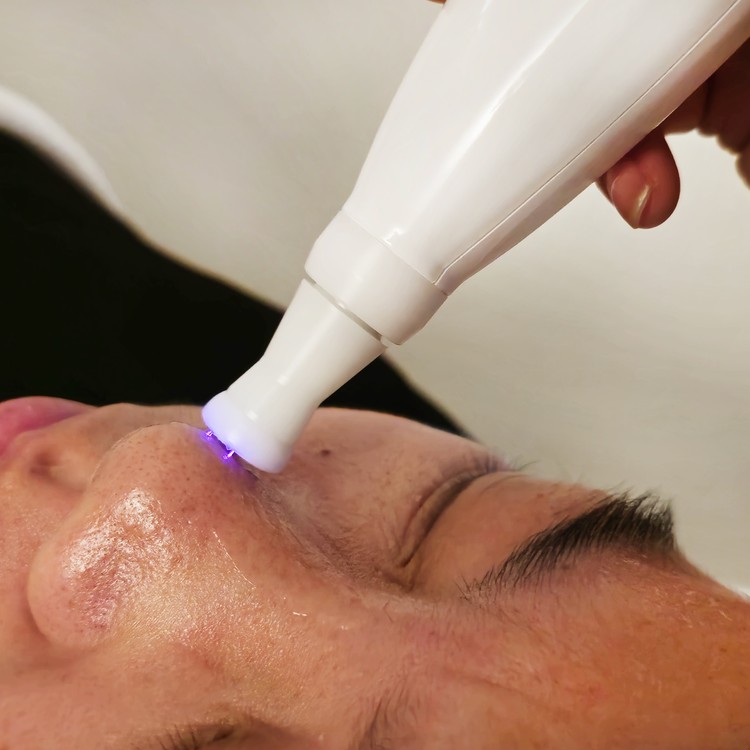
Turn down when the discharge goes white, when the client flinches before contact, or when the skin reddens faster than the previous pass did.
Turn down for thin skin, for the neck, and for any area where the client can see the pen. Anxiety changes perception, and a calmer session usually produces a better result.
If lowering energy makes the glow disappear entirely, the probe is the more likely problem. Check it before assuming the device is underpowered.
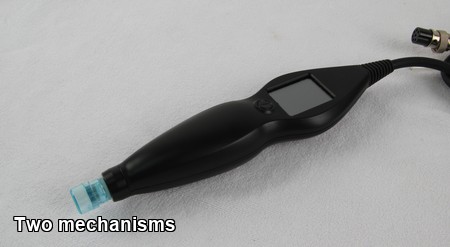
A probe is a consumable, not a fixed part of the machine. The tip erodes, oxidises and slowly stops concentrating energy where you aim it.
Watch for three signs: output that has to be raised every session to get the same effect, a visible flat spot on the tip, and a discharge that scatters rather than concentrates.
Keep a written probe log per machine. It turns a vague feeling that the pen is weaker into a date you can point at.

Describe the sensation before it arrives: a warm snap, then a pause, then another. Clients tolerate a predictable sensation far better than a surprise.
When you change a setting, say so out loud. It gives the client a reason for the change in sensation and removes the suspicion that something went wrong.
Clinic buyers often ask which probes ship with each unit and whether replacements are stocked locally. Our team answers that in writing before an order is confirmed. Every unit we ship carries a 24-month warranty.
Usually humidity, skin moisture or a nearly dry surface. The same setting does not produce the same discharge on every client, and a drier surface narrows it.
No. A larger, softer glow usually means energy is spread over a wider area. A hard white thread concentrates it, which is not the same as delivering more useful work.
The discharge has found a shorter path than the tip, often through moisture on the skin or a damaged probe. Stop, dry the area and inspect the tip.
You keep raising energy to hold the same result, the tip shows a flat spot, or the glow scatters instead of concentrating. Any one of the three justifies a replacement.
Most clients describe a warm snap rather than a shock. Sensation follows the setting and the contact time, not the size of the visible glow.
Heat in the handpiece, a warming probe and rising skin moisture all reduce the gap. Pause, let the tip cool and dry the surface before continuing.
Yes, and you should when the discharge tells you to. Note the change on the client record so the next visit starts from a known point.
If a pen behaves differently after a probe change, send us a short video of the discharge. Our team can usually identify the cause from the way it spreads.
Buyers comparing probes and handpieces can reach our team on WhatsApp at +1 (213) 824-3777, or by email at honkayplasma@gmail.com.




 English
 中文
 Español