Most clinic owners reach this question with one budget and two quotes. Cold plasma and RF microneedling both promise tighter skin, both fit a small treatment room, and both are sold as the obvious first device.
They are not interchangeable. They differ in what they do to the skin, how long a client is out of makeup, and what each treatment costs to deliver. This guide compares them on payback.
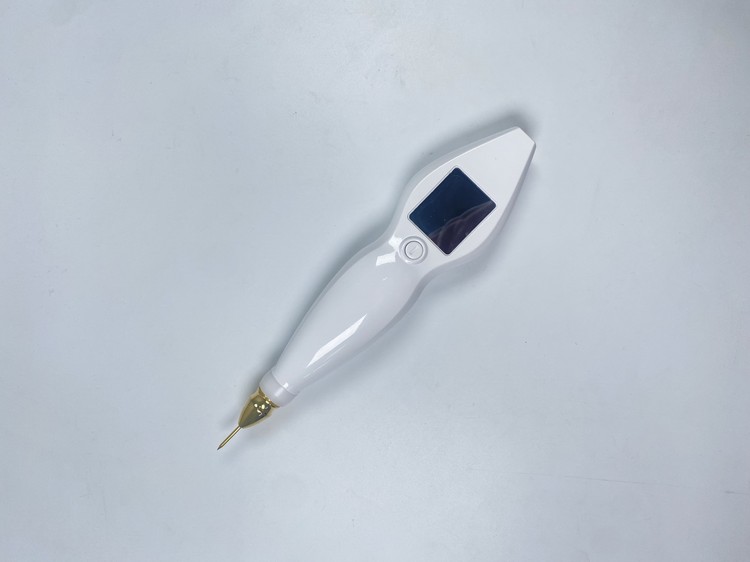
Cold plasma works on the surface. An ionised gas stream changes the skin's surface behaviour: bacteria load falls, surface texture smooths, and product absorption improves for a while.
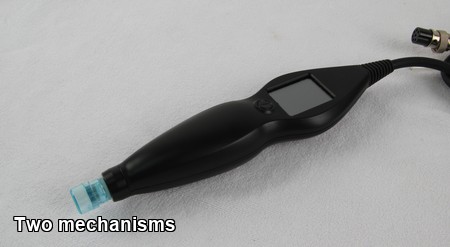
RF microneedling works in the dermis. Fine needles deliver radiofrequency energy at a set depth, which triggers a wound-healing response and collagen production over the following weeks.
One is a surface treatment with almost no downtime. The other is a depth treatment with a real healing phase. That single difference drives most of the comparison below.
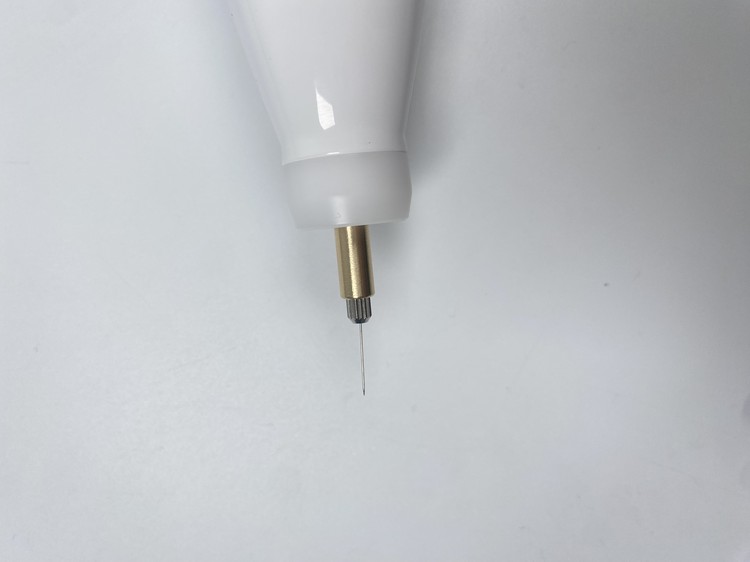
Cold plasma suits texture, oiliness, mild laxity and surface tone. Clients see a cleaner, calmer surface quickly, which is why it works well before an event.
RF microneedling suits deeper laxity, acne scarring and pore size. Change is slower to appear but carries further, and results keep improving for two to three months after the last session.
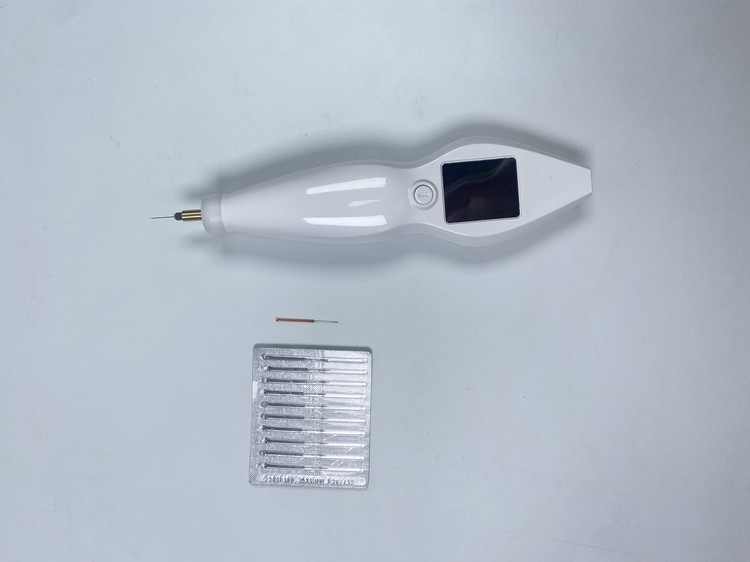


Downtime is where the two devices separate most clearly, and where client expectations decide whether a menu succeeds.
| Factor | Cold plasma | RF microneedling |
|---|---|---|
| Same-day makeup | Usually after 24 hours | Not for 48 to 72 hours |
| Visible reaction | Mild redness for hours | Redness and pinpoint marks for days |
| Session length | 20 to 40 minutes | 45 to 75 minutes with numbing |
| Course length | 4 to 6 sessions | 3 to 4 sessions |
Cold plasma takes the client who cannot afford to look treated: the teacher, the presenter, the bride two weeks out. It also suits oily and acne-prone skin where a needle course would be deferred.
RF microneedling takes the client already investing in collagen: the one asking about laxity, scarring or pores and willing to accept a healing week.
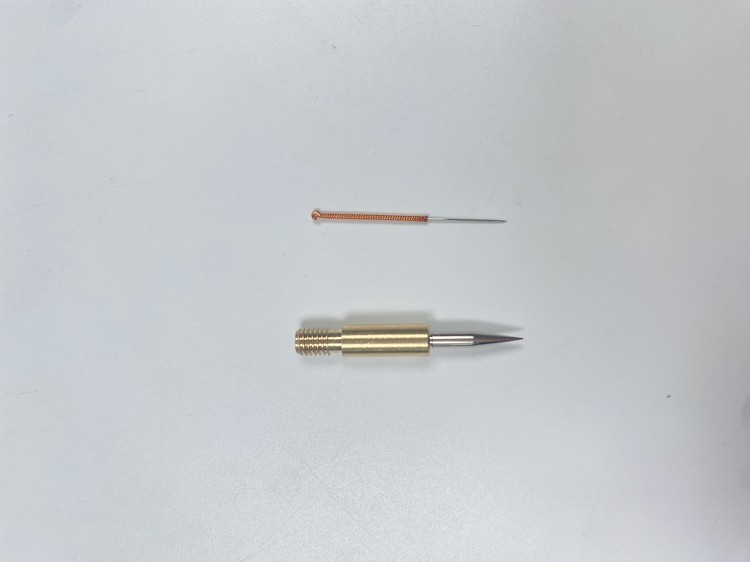
Cold plasma has a low consumable cost and short sessions, so a single room can carry more bookings per day. Payback tends to arrive through volume.
RF microneedling consumes needles and numbing cream, needs a longer slot and a trained hand. Payback arrives through a higher price per session rather than through volume.
Clinics that only measure the purchase price usually pick the wrong one. Measure revenue per room hour instead, then compare.
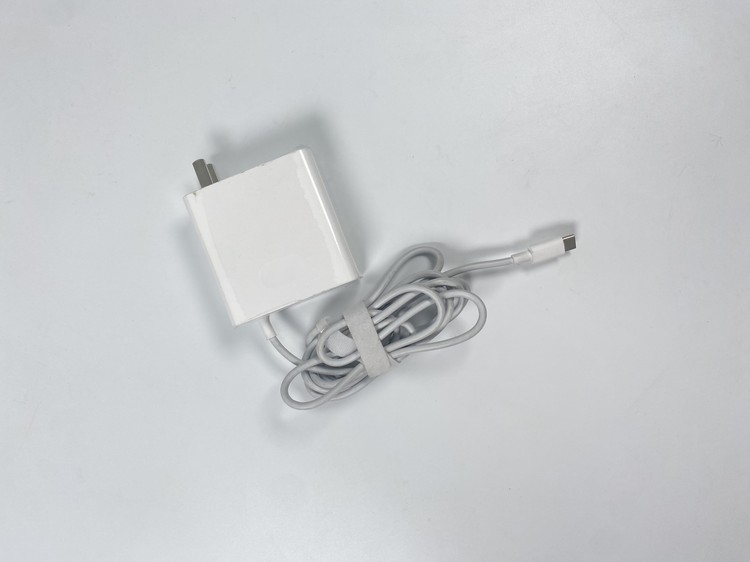
Cold plasma needs a treatment bed, a trolley and one socket. A single therapist can deliver it after a short training period, and the room does not need to be darkened.
RF microneedling needs the same bed plus a numbing station, sharps disposal and a stricter cleaning routine between clients. Insurance and local rules may also apply to needle use.
If your first hire is junior, the plasma device is the easier menu to hand over. Keep the needle work for a therapist you have trained yourself.
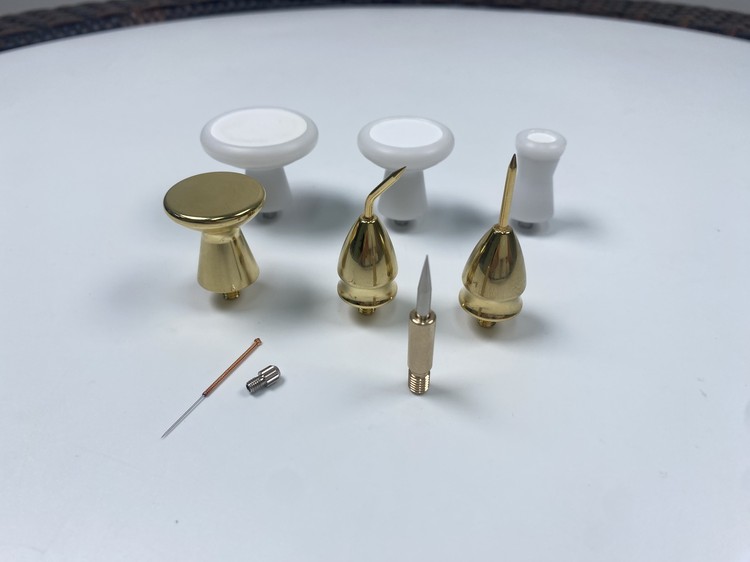
Yes, and most clinics end up there. The two devices address different concerns, so they cross-sell rather than compete: surface work in the weeks before an event, depth work in the quieter season.
Sequence matters. A plasma session two weeks before a needle session prepares the surface; the reverse order asks a healing face to tolerate more heat than it should.
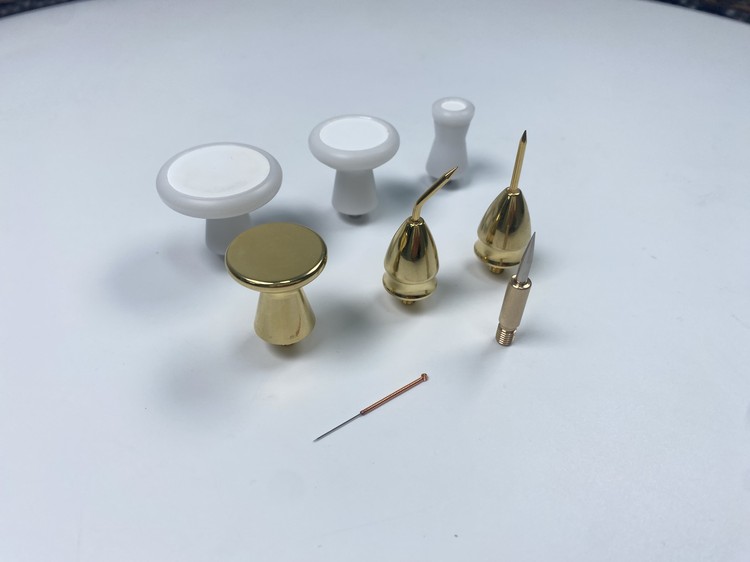
Buyers comparing the two can ask our team for a specification sheet on both categories on WhatsApp at +1 (213) 824-3777, or by email at honkayplasma@gmail.com.
Yes. They serve different concerns, and most clinics that buy one add the other within a year.
Cold plasma, because the surface calms within days. RF microneedling keeps improving for two to three months.
Cold plasma. There is no needle depth to set and no sharps handling, so a junior therapist can be signed off sooner.
Demand depends on your client list. Event-driven and acne-prone clients lean to plasma; collagen-focused clients lean to needles.
Partly. The overlap is the client who wants firmer skin. The habit-driven client books whichever fits her calendar.
Plasma costs are mostly probes and time. Needling adds needles, numbing and a longer slot. Ask for a per-treatment figure, not a purchase price.
If your clients are event-driven or acne-prone, start with plasma. Every unit we ship carries a 24-month warranty, which keeps the first year predictable.
Send us your treatment list, your client profile and the room you have. We will tell you which category fits first and what a realistic monthly return looks like.
Message us on WhatsApp or email honkayplasma@gmail.com and we will reply with a comparison.




 English
 中文
 Español